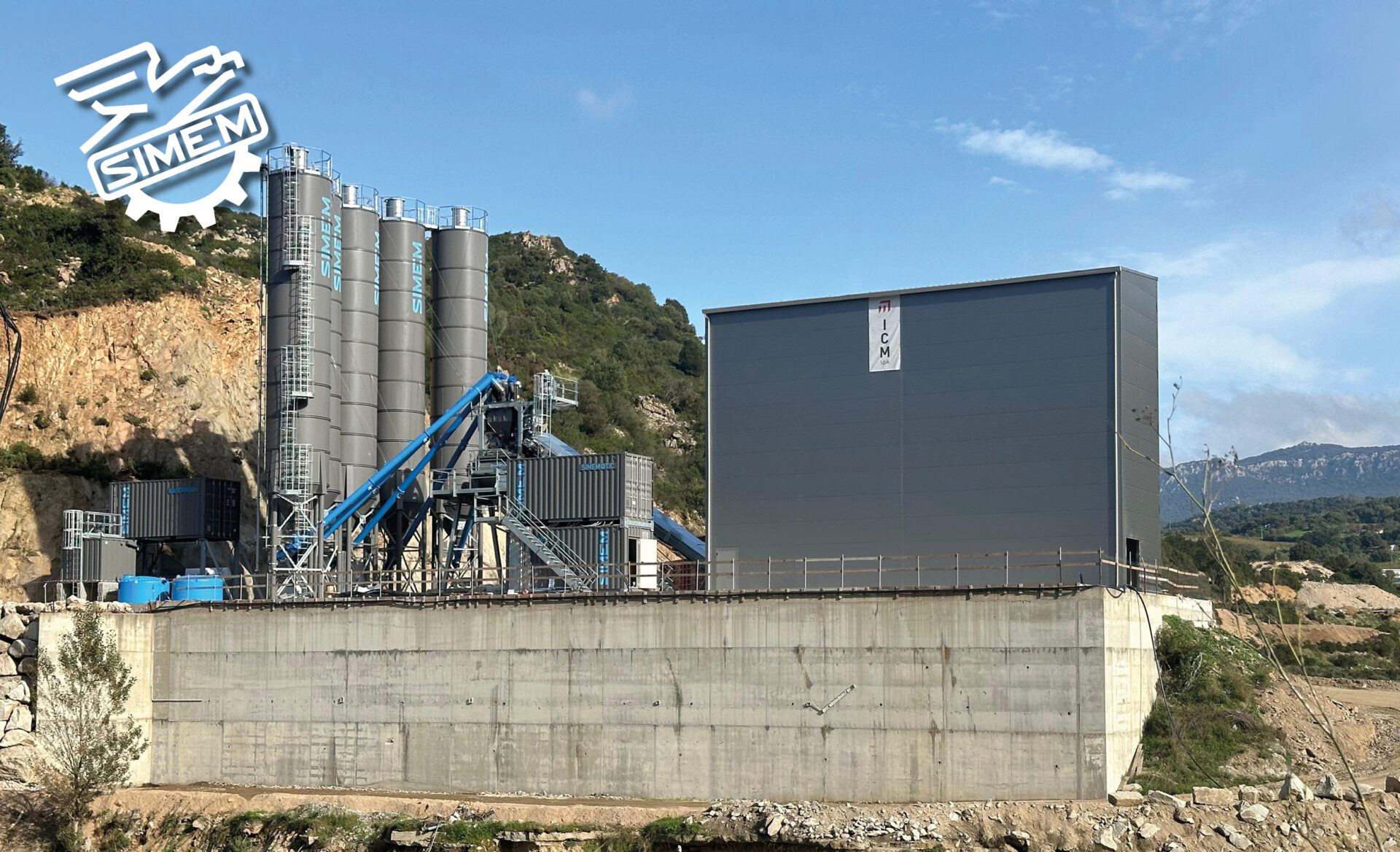
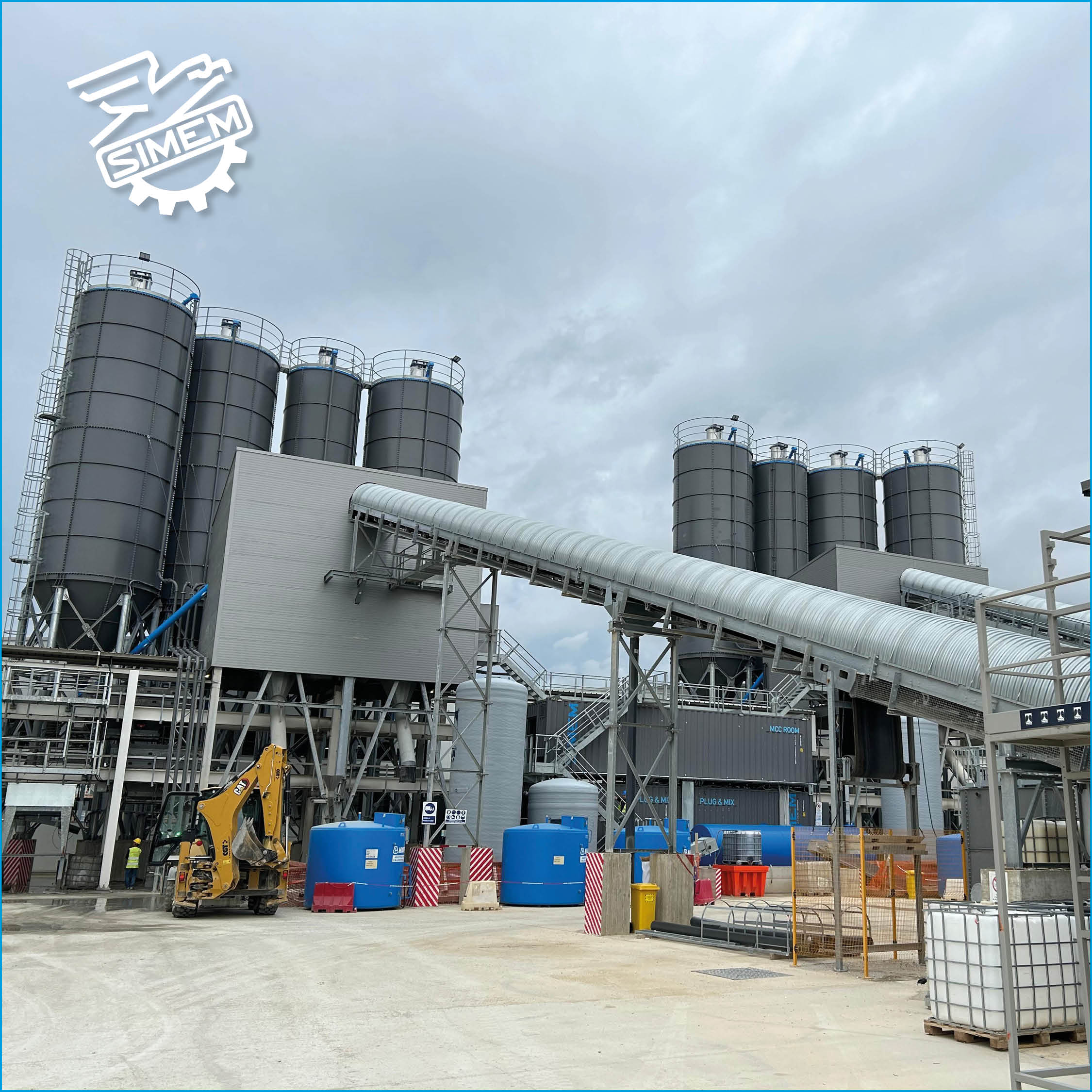
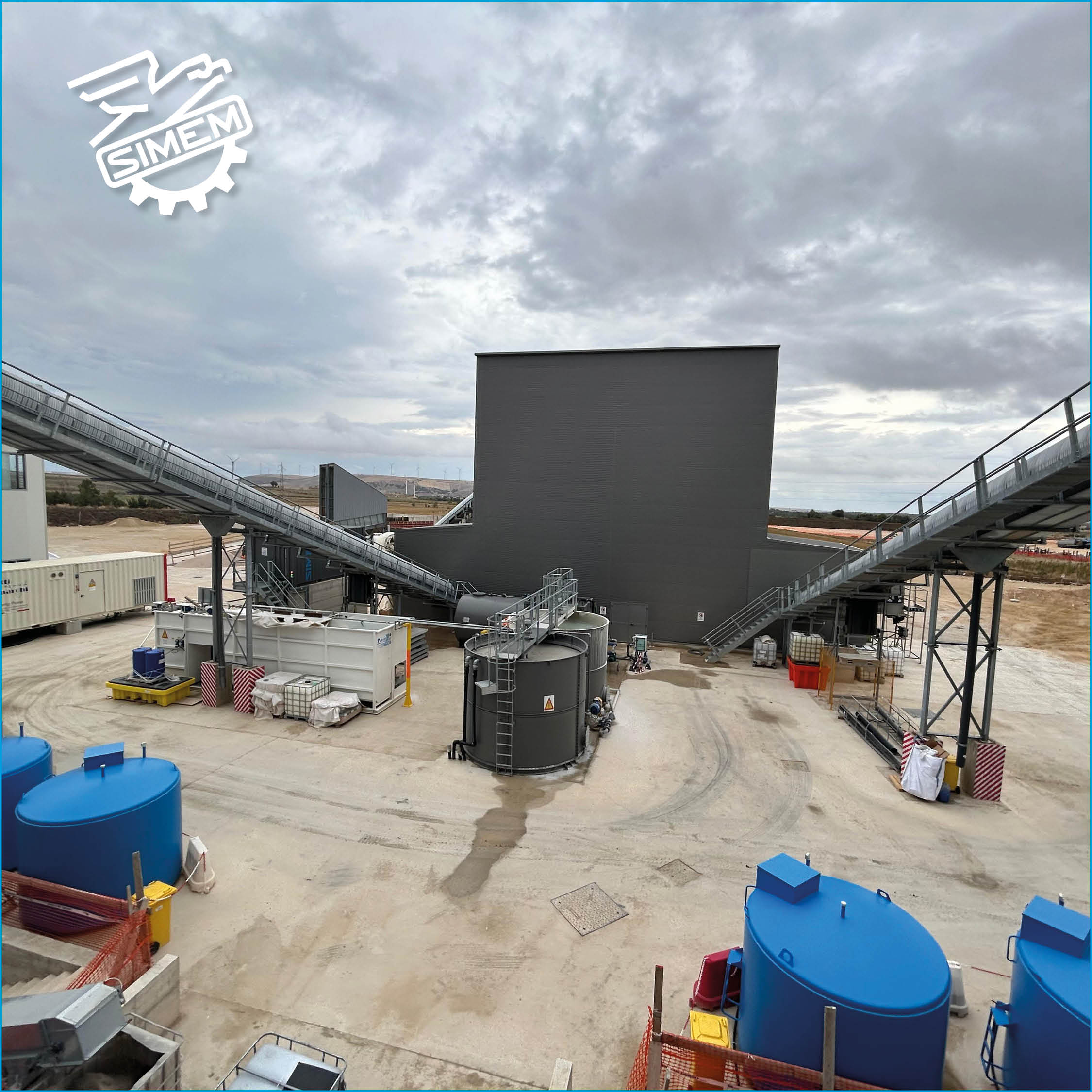
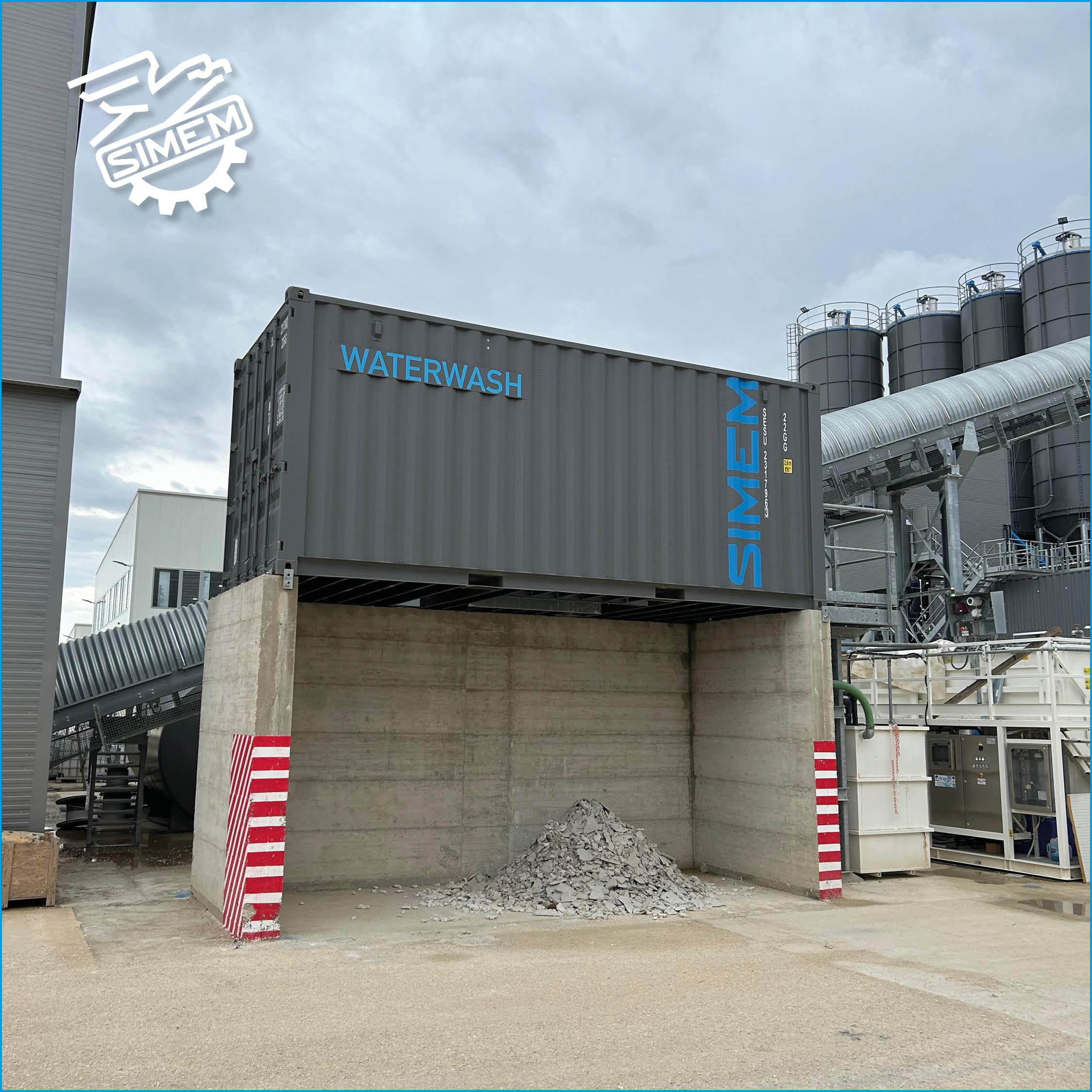
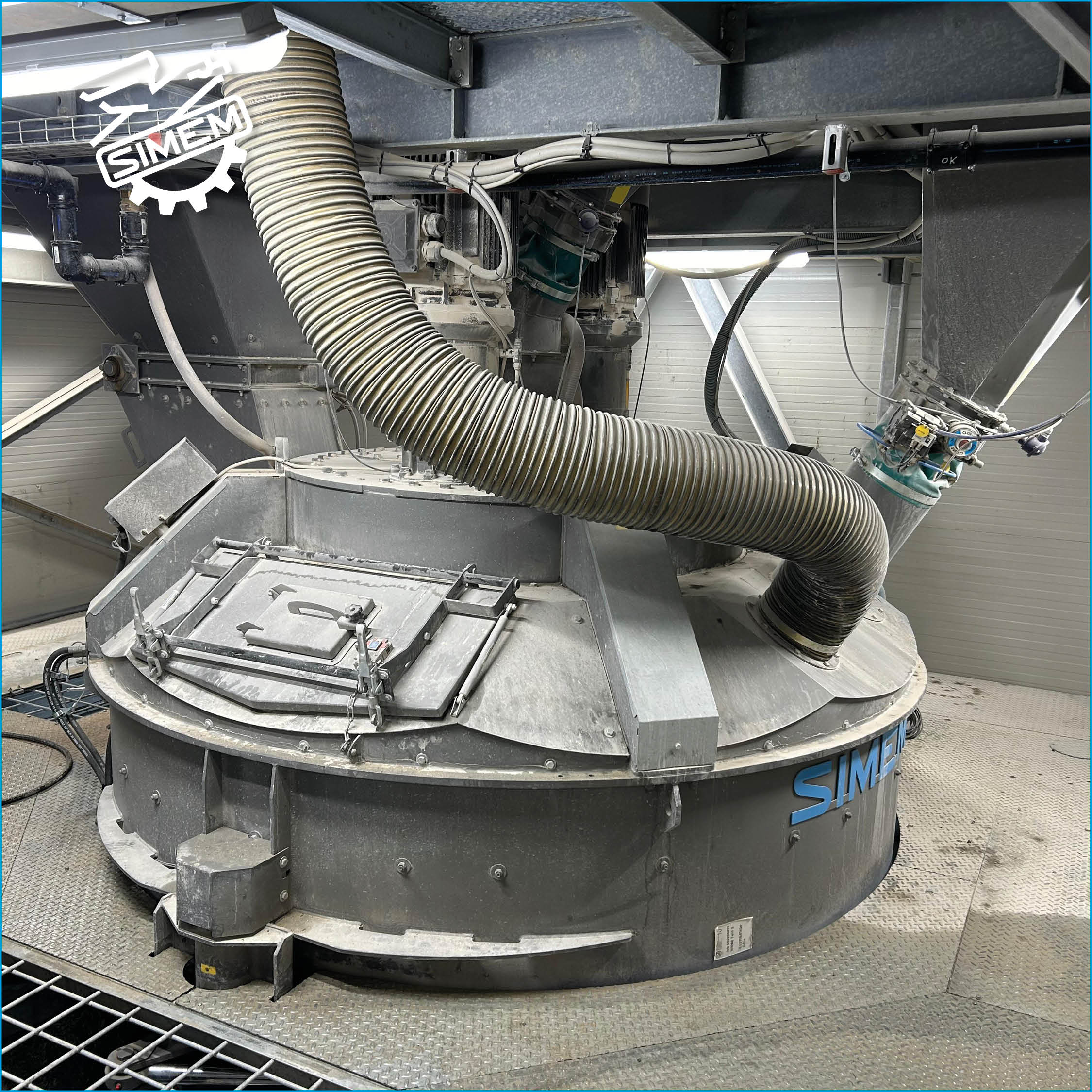
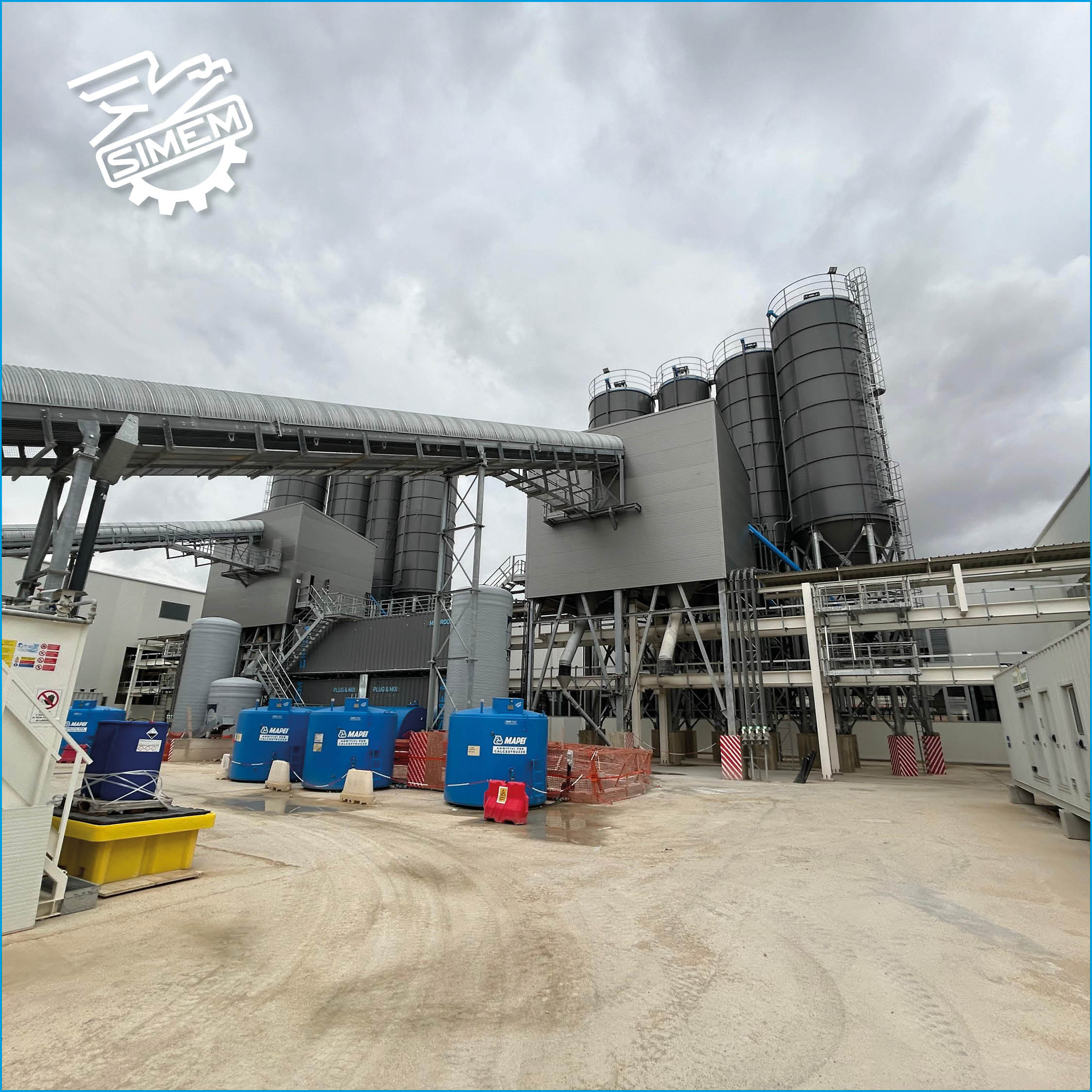
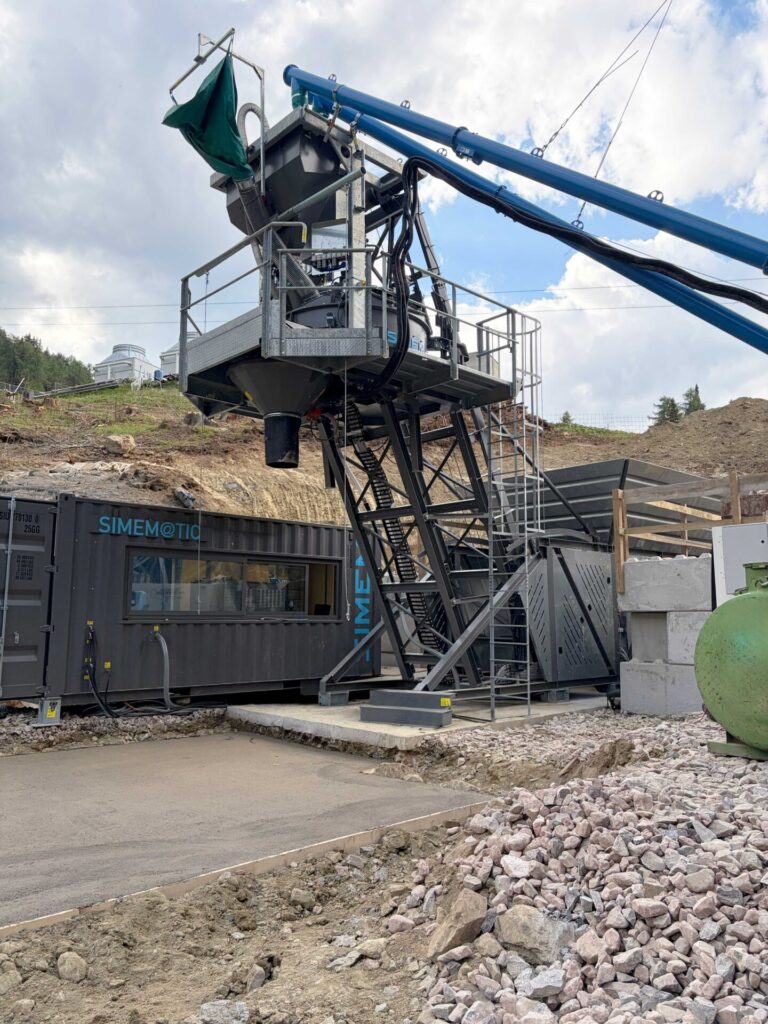
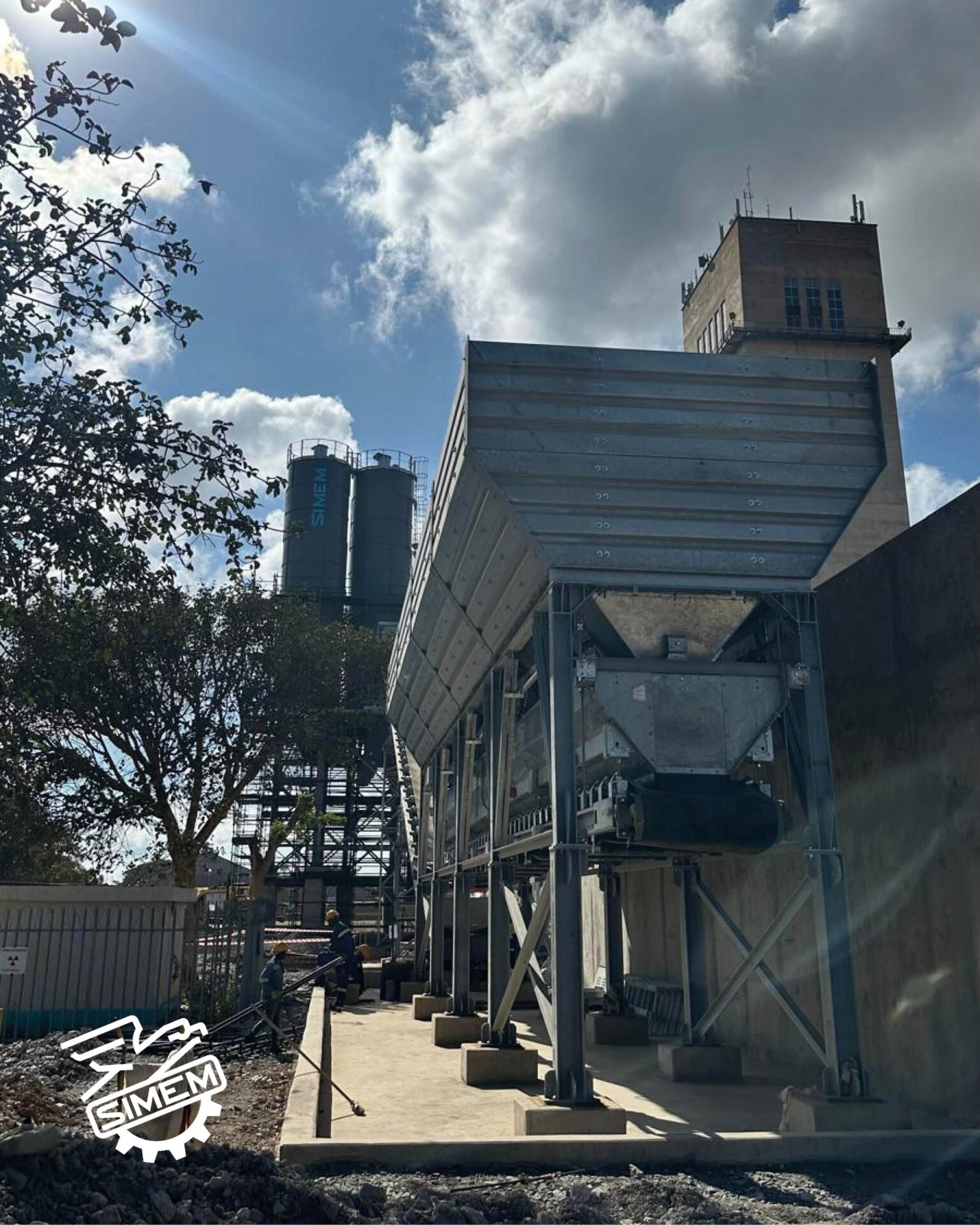
A beautiful Eagle 5000 batchingplant is ready to produce 290 thousand cubic meters of concrete that will be used to build the Cumbidanovu dam in Sardinia. The dam’s reservoir will contain about 10 million cubic meters of water which will be mainly used for distribution in agriculture and, in part, also for industrial use and for the production of electricity. Proud to be part of this strategic project for the country!
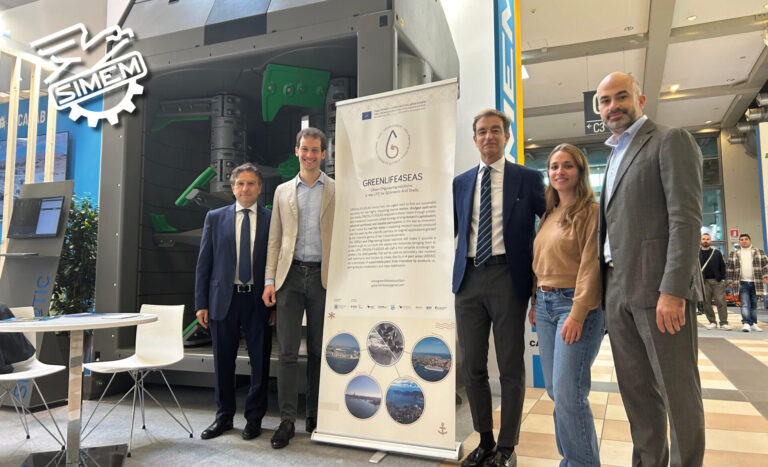
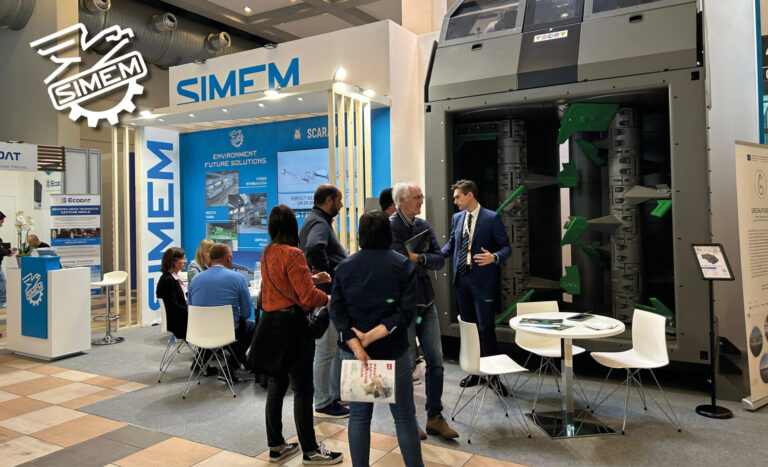
Ecomondo exhibition was full of inspiration: we had the chance to meet many people and forge new connections. In particular, even this year, we showcased the innovative project of GreenLife4Seas at the Italian expo for circular economy; in collaboration with the Politecnico di Bari we want to promote the research and development for the reuse of waste resources and thus promote a more sustainable development also in the construction industry!
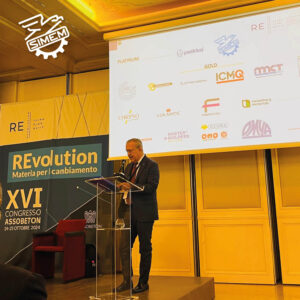
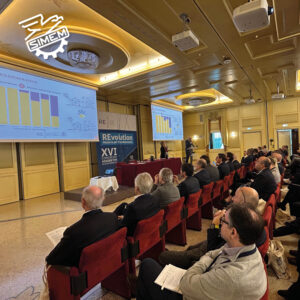
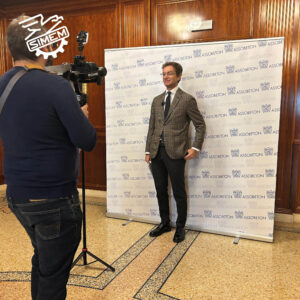
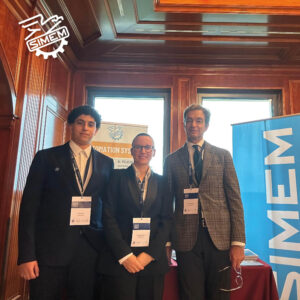
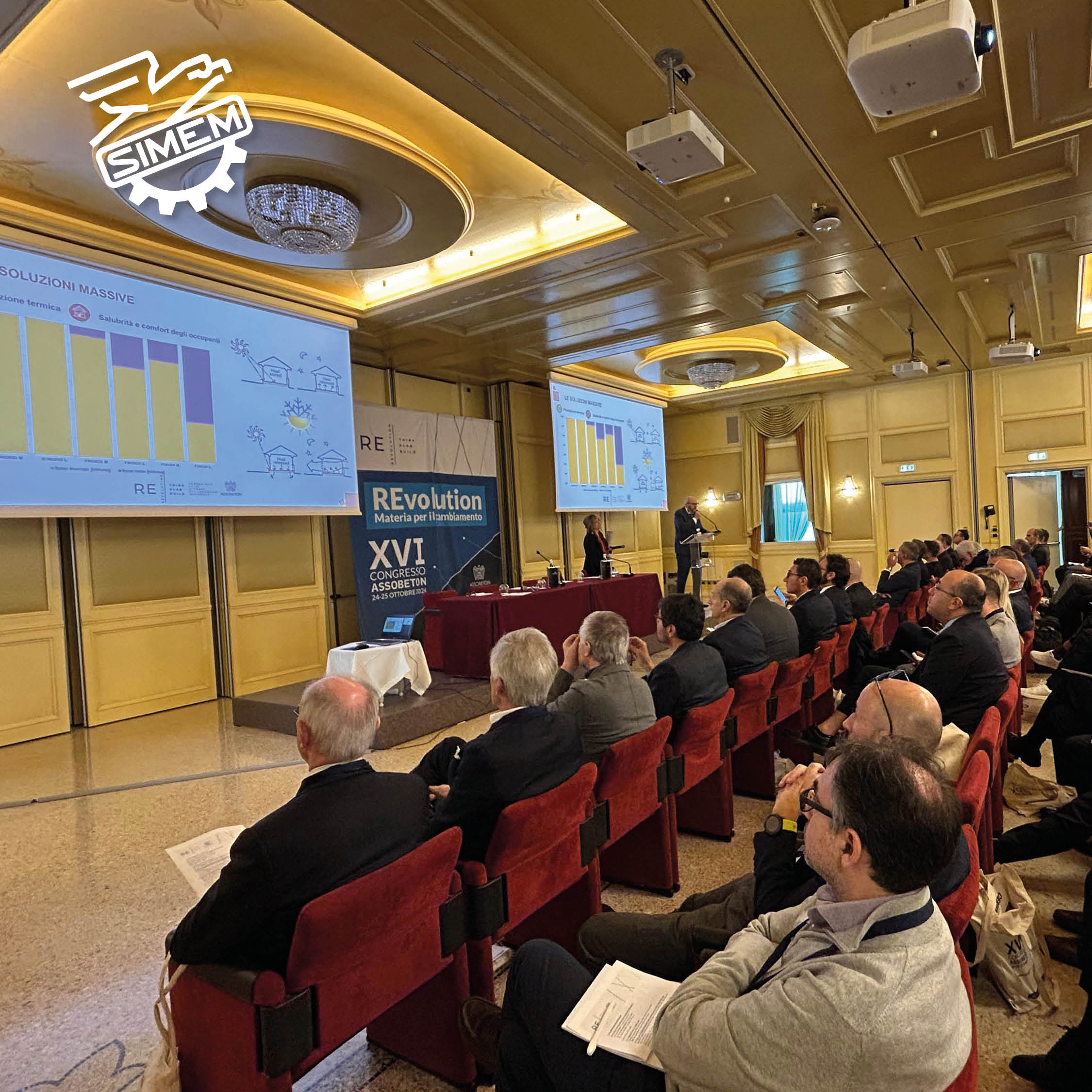
Simem is main sponsor of the XVI National Congress ASSOBETON: hosted in the wonderful location of Villa Quaranta in Pescantina (Verona), the event has been an opportunity to reflect and discuss topics such as the future of precast , infrastructure and sustainability in the construction sector.
Thanks to ASSOBETON and INGENIO magazine for the hospitality!
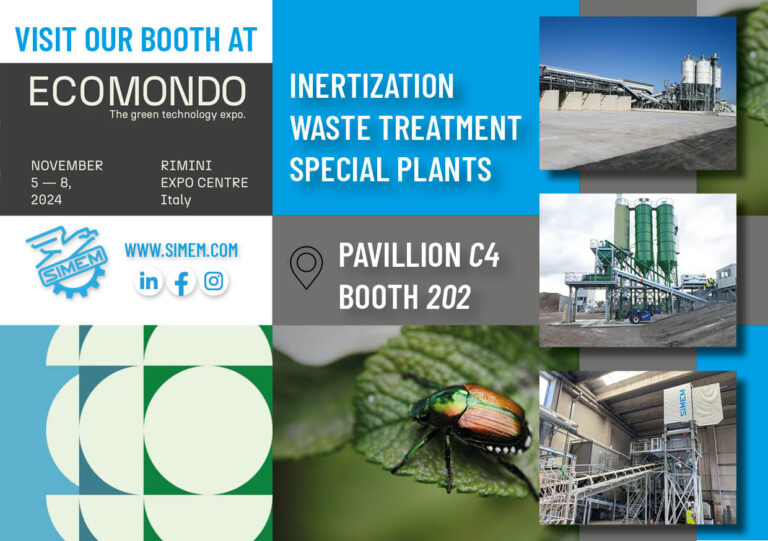
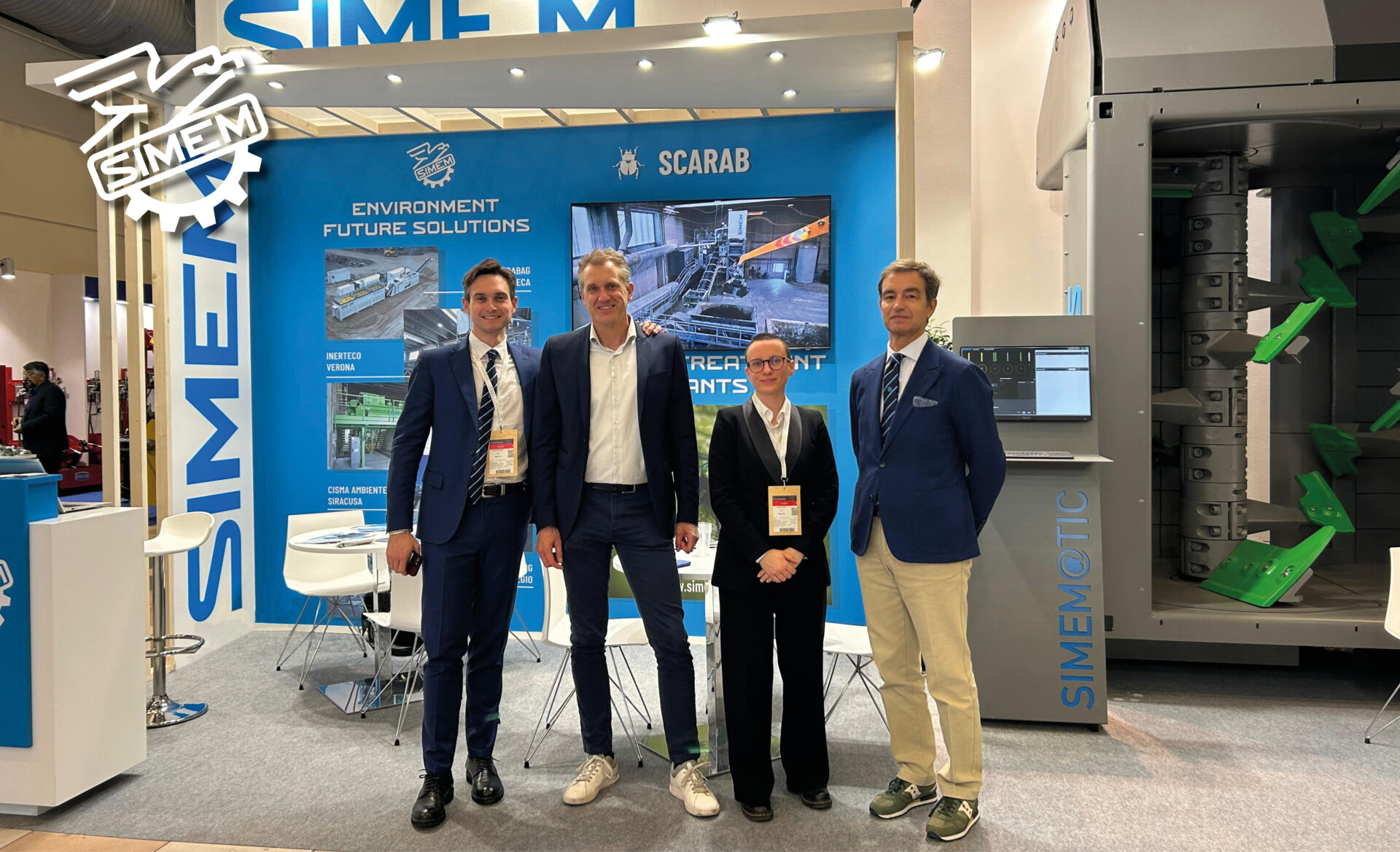
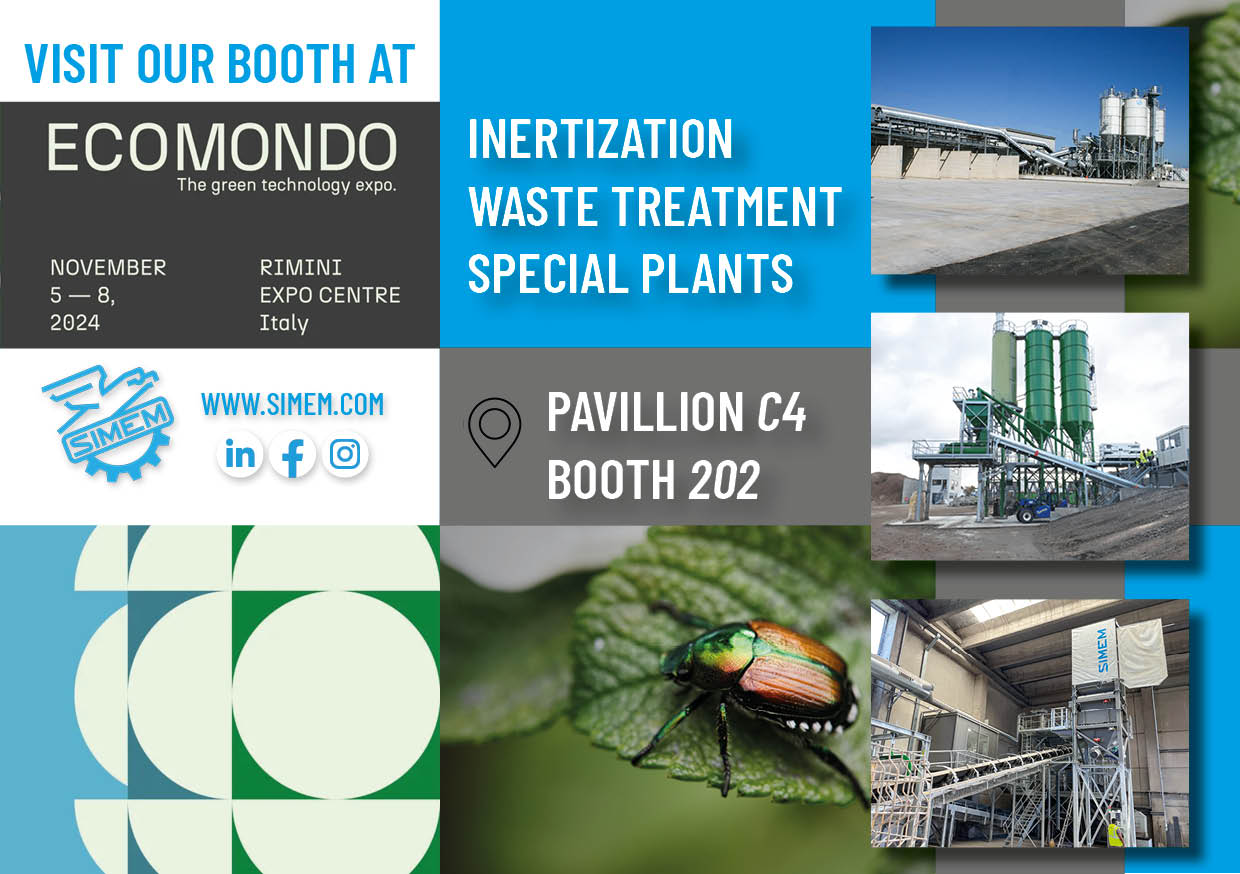
SIMEM AT ECOMONDO – ITALIAN EXHIBITION GROUP 2024! Join us and visit our booth at the next edition of Ecomondo in Rimini! Discover our unique solutions and advanced technologies for waste treatment and inertization
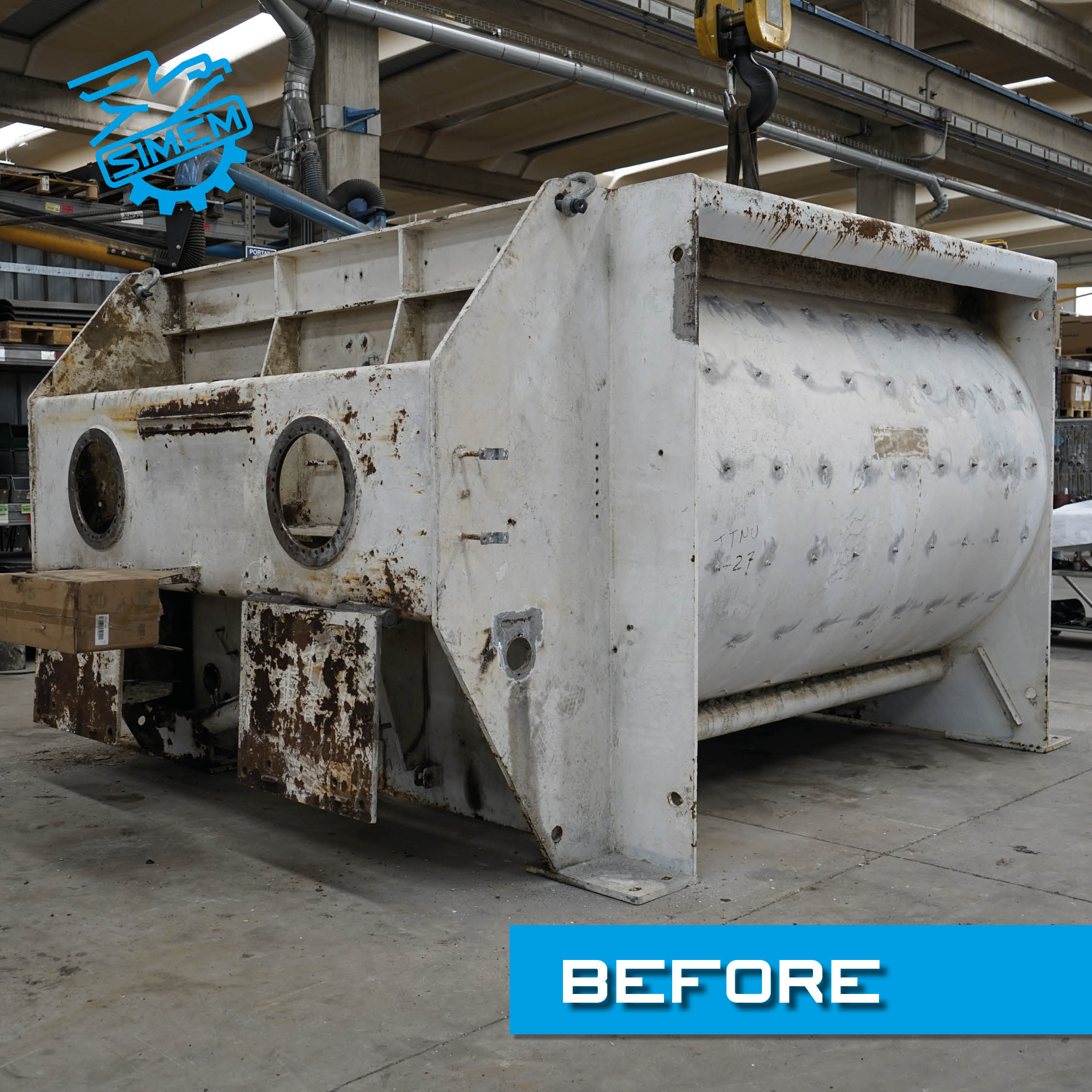
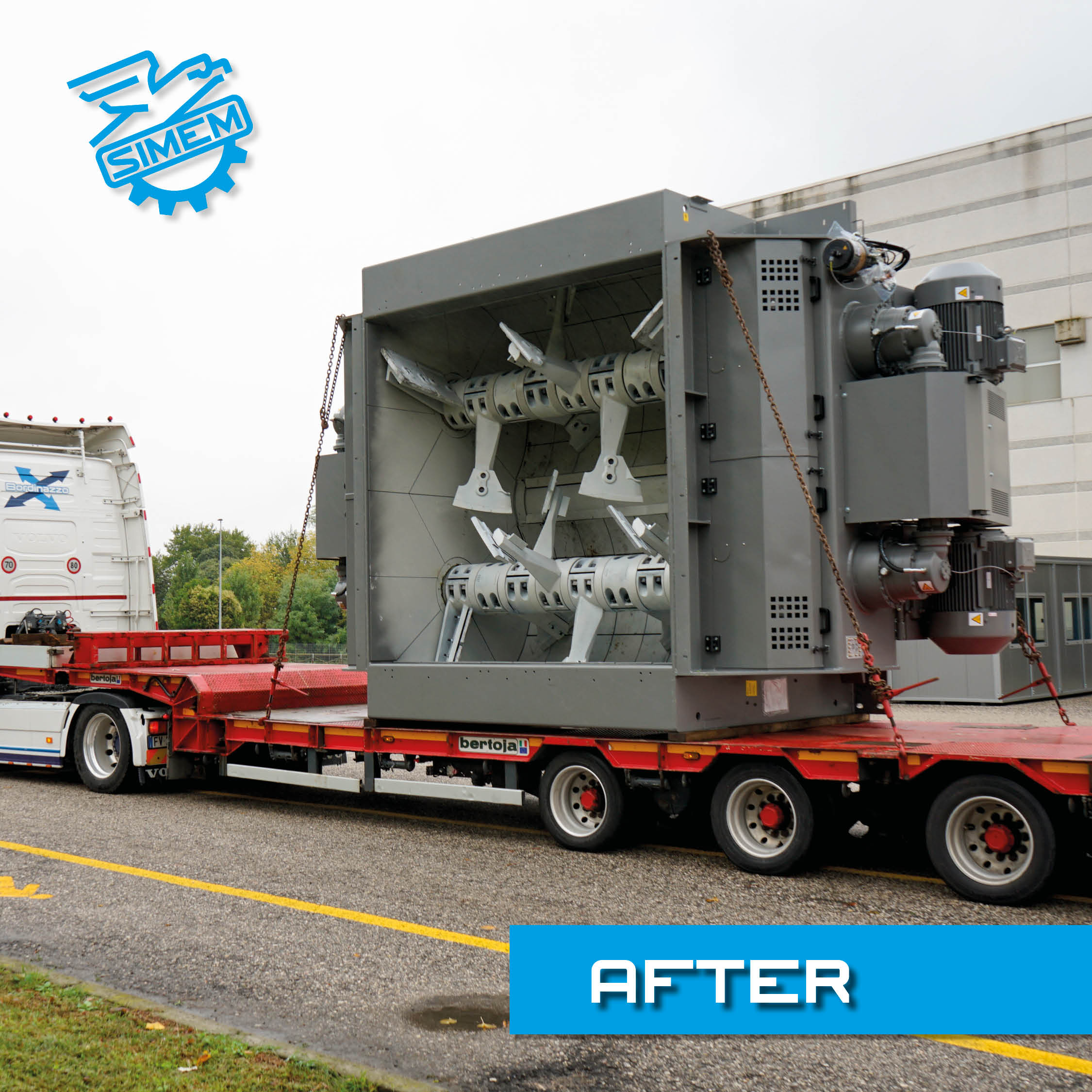
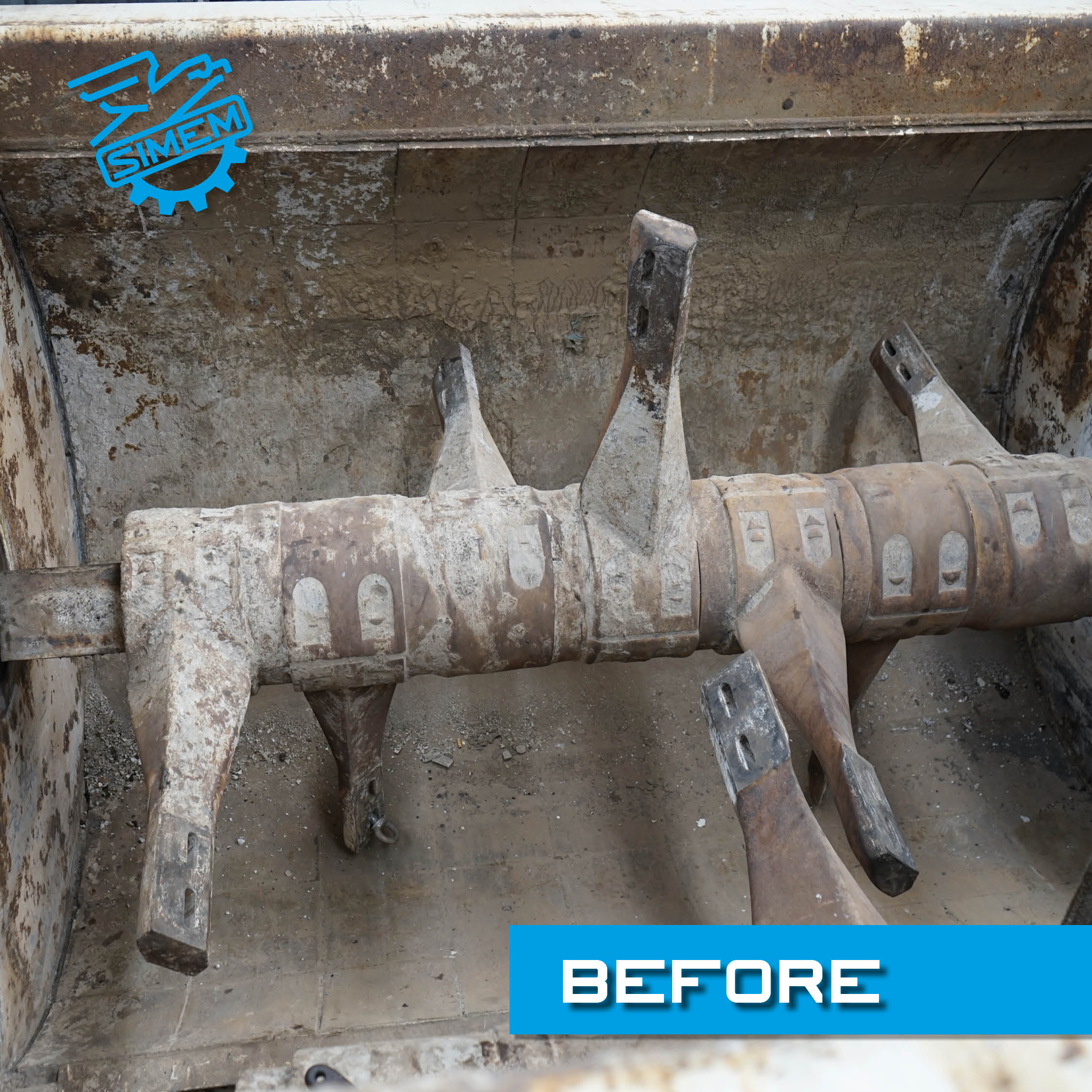
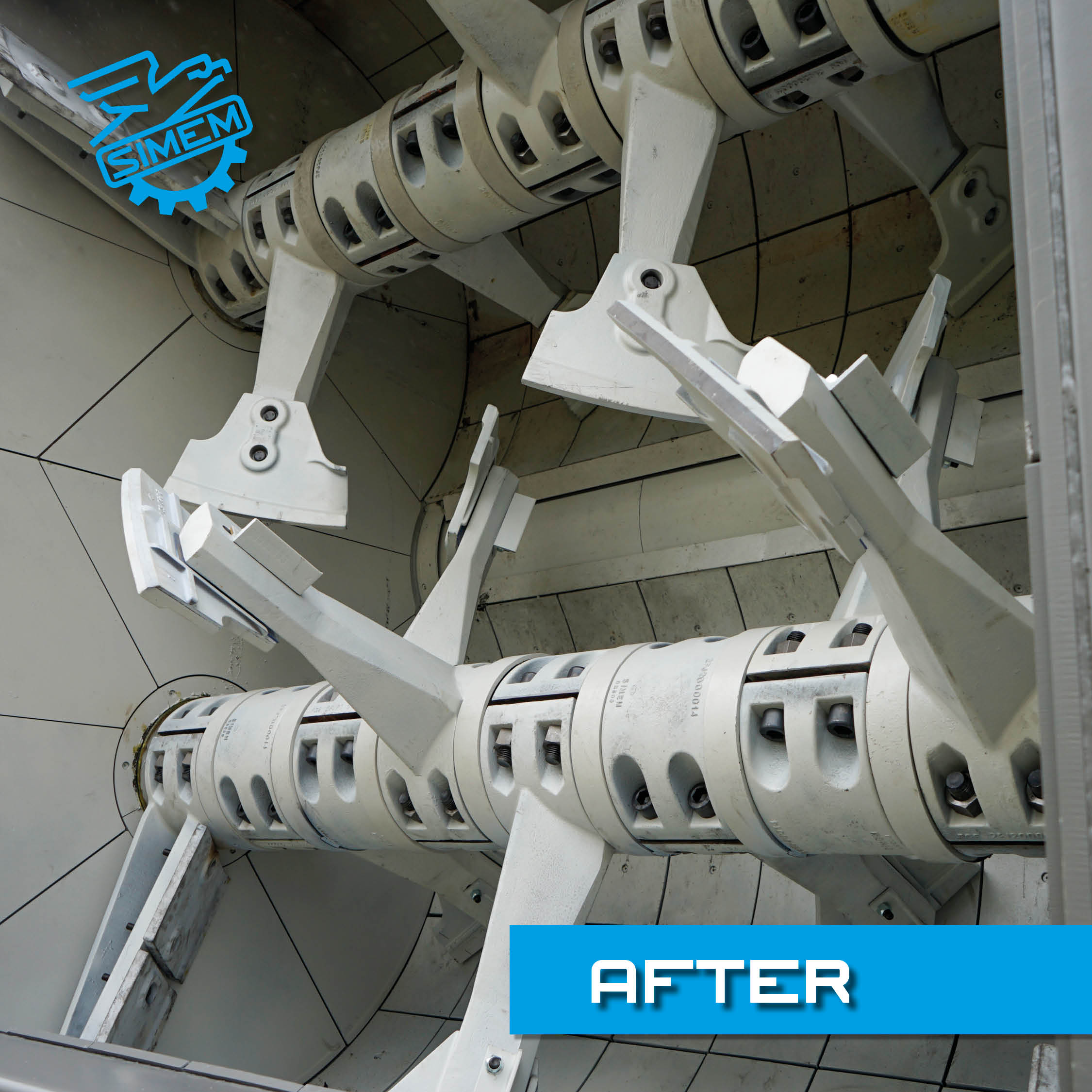
An incredible journey for this mixerMSO 12000 that came back home from America and, after an intense renovation, is ready to return to action again! It shows how, once again, quality, durability and reliability are the values at the base of Simem know-how!
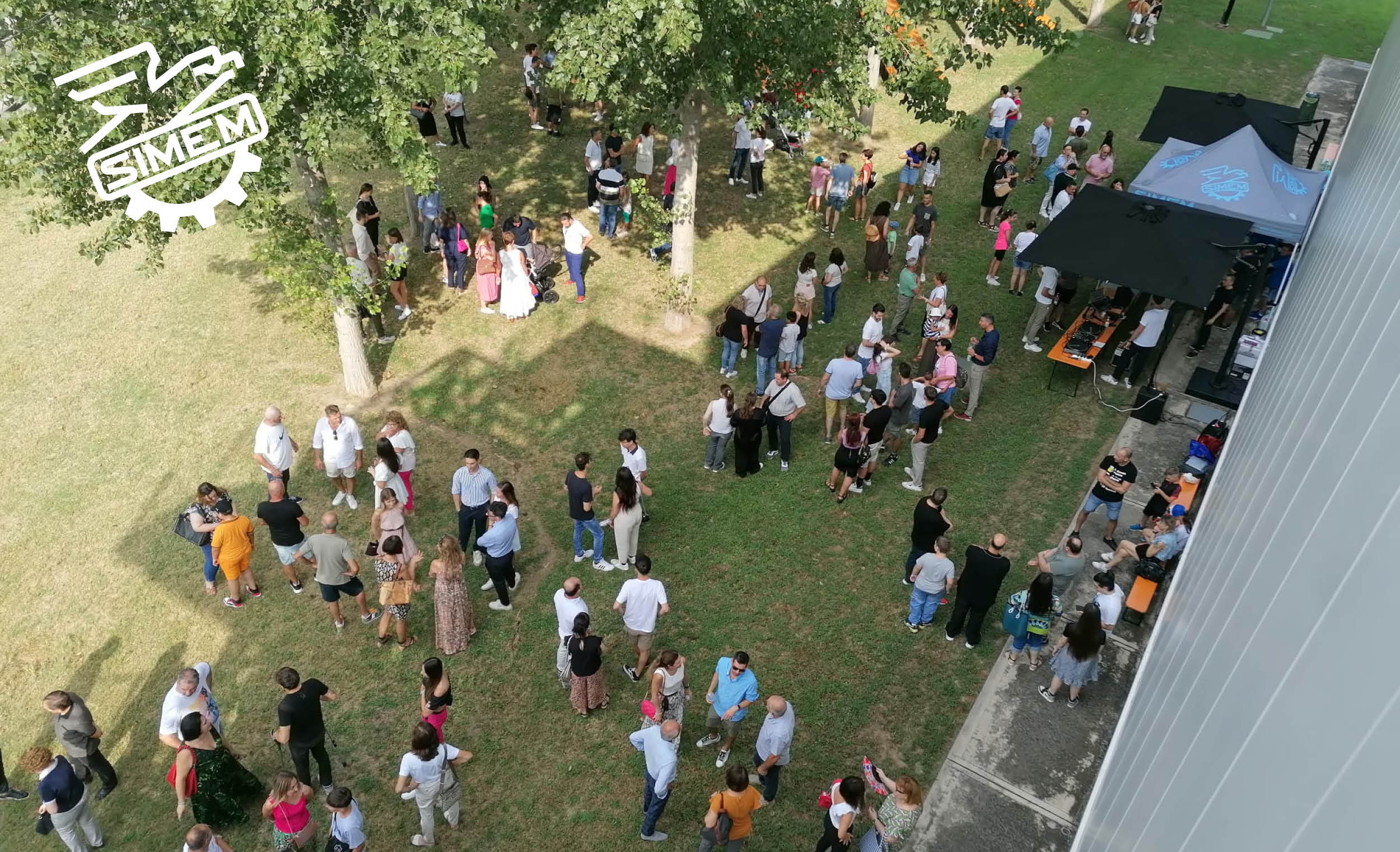
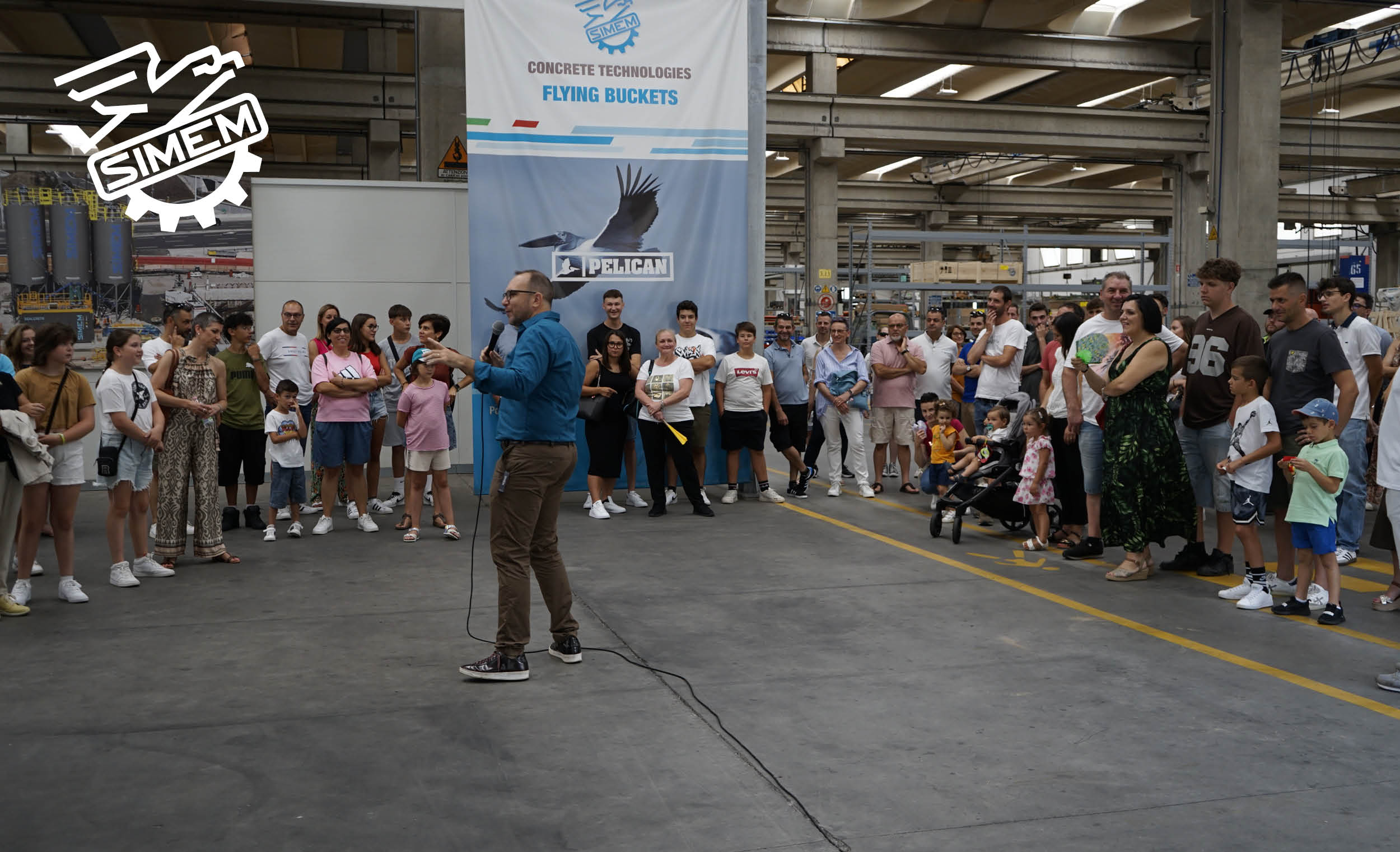
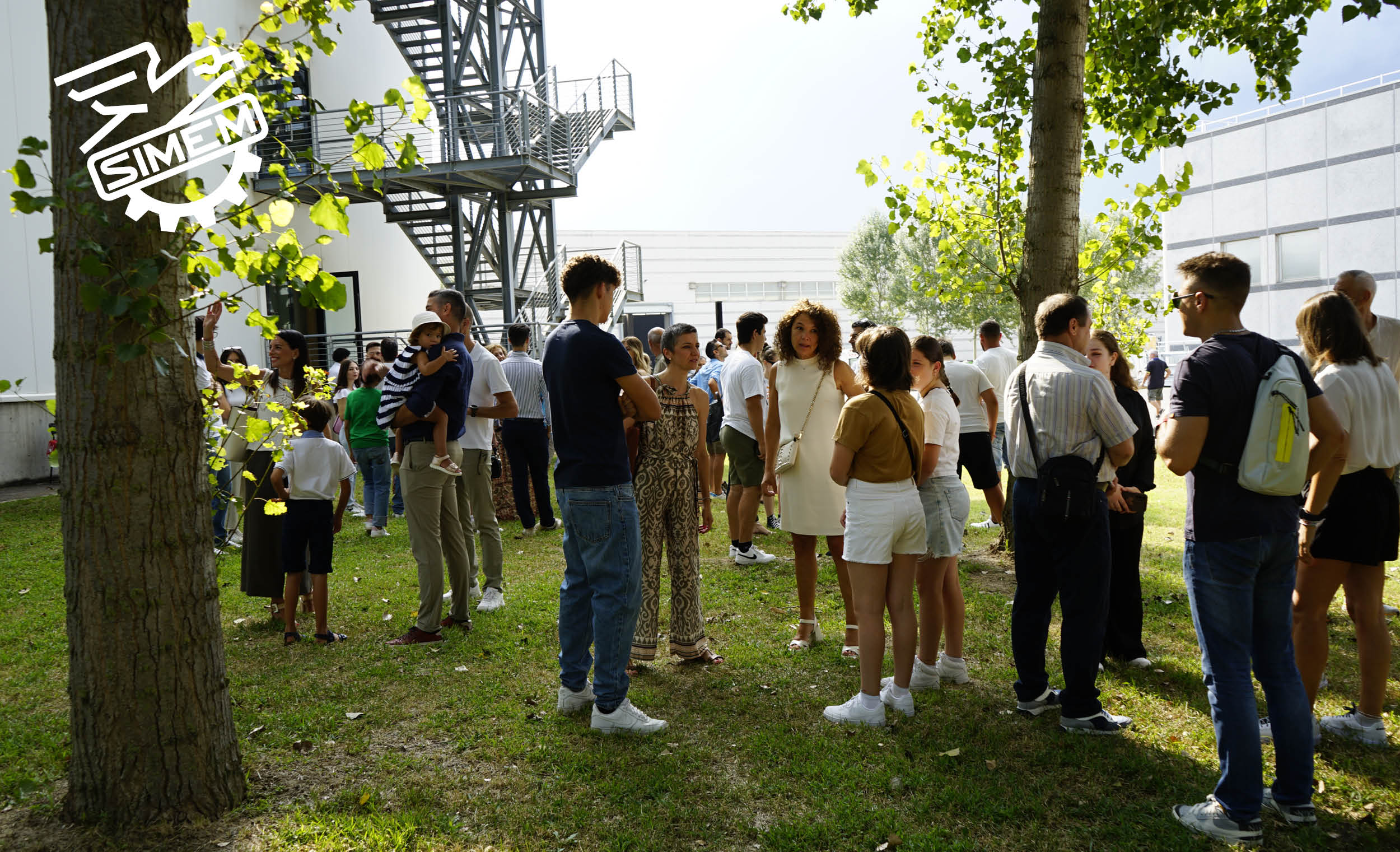
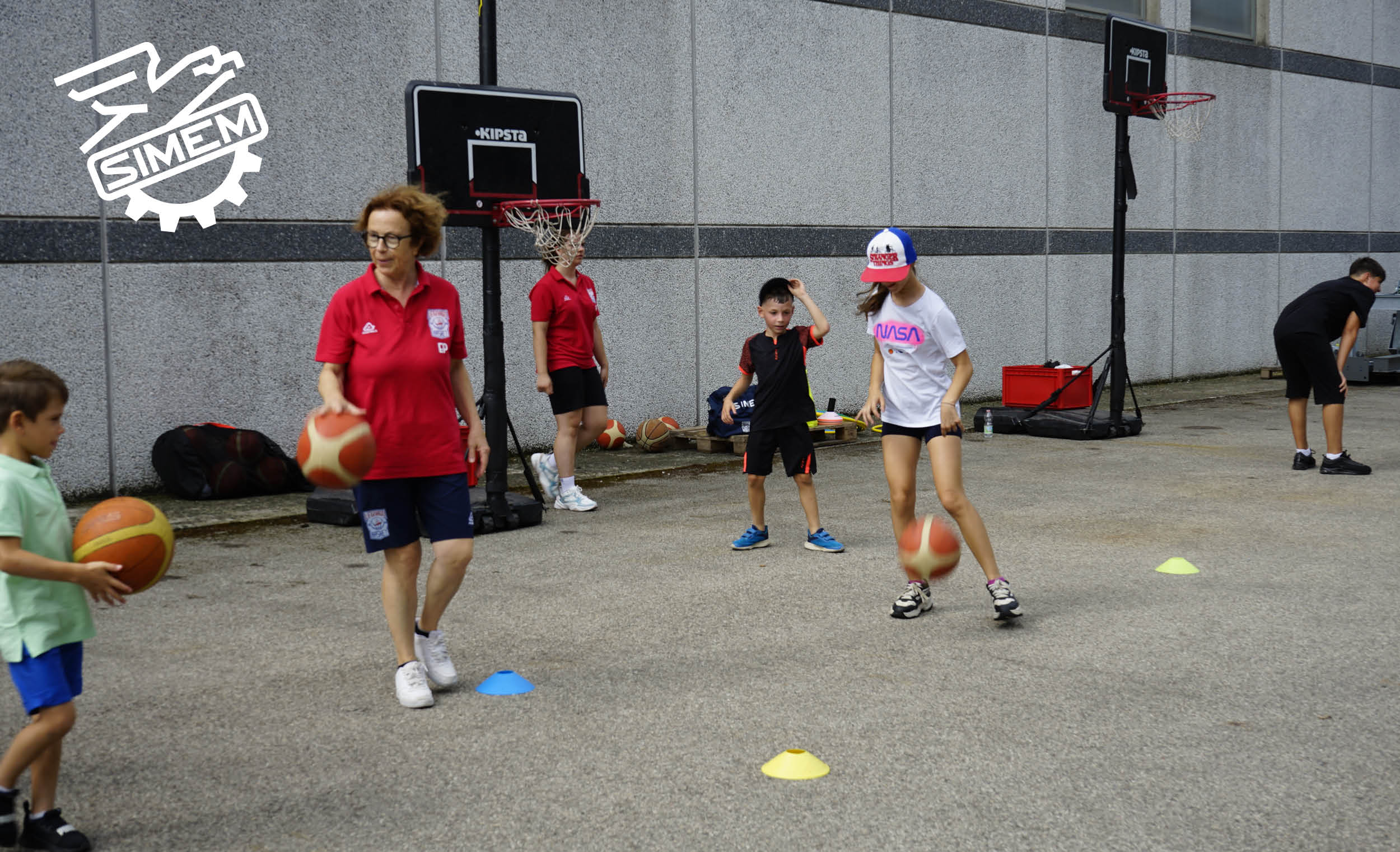
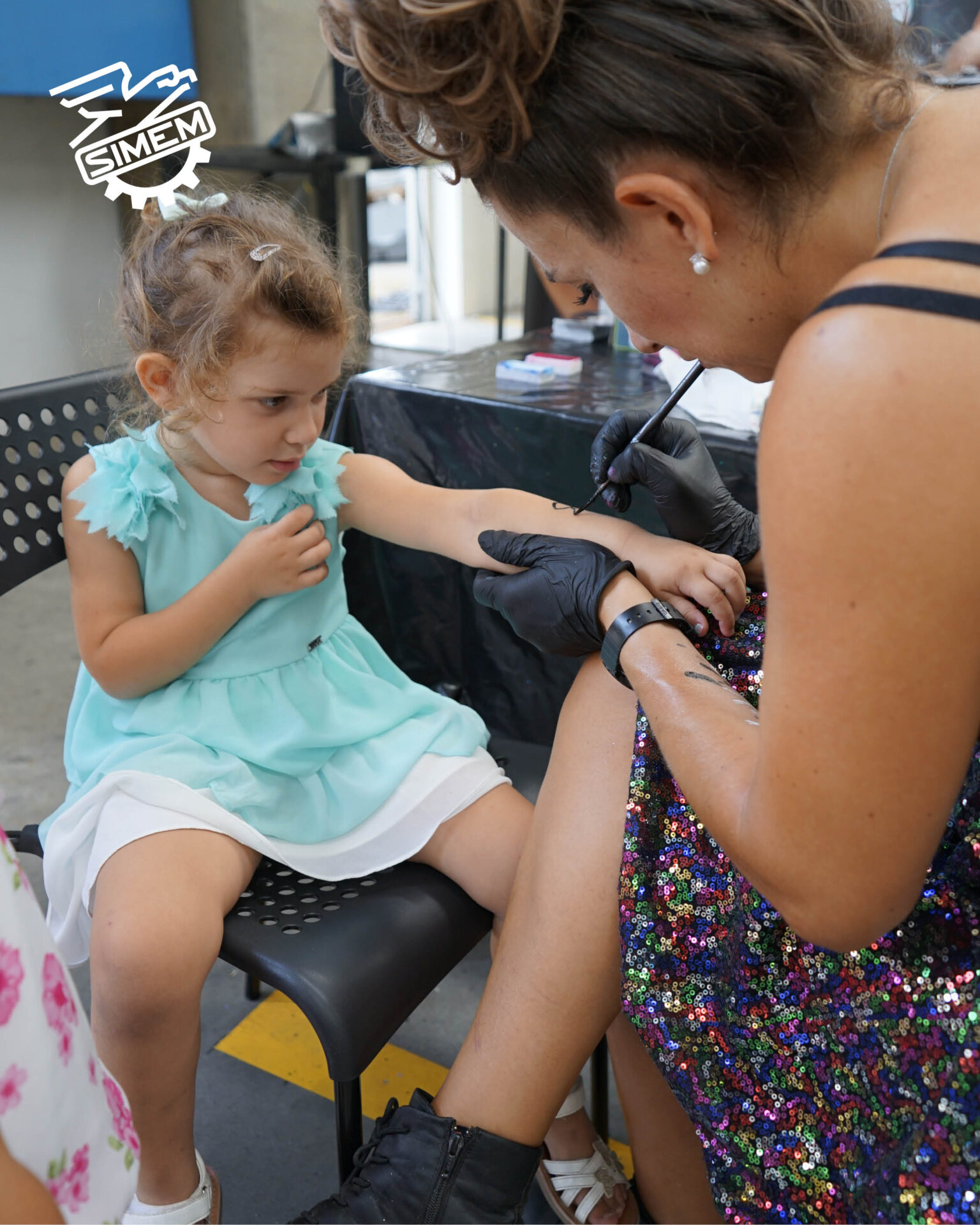
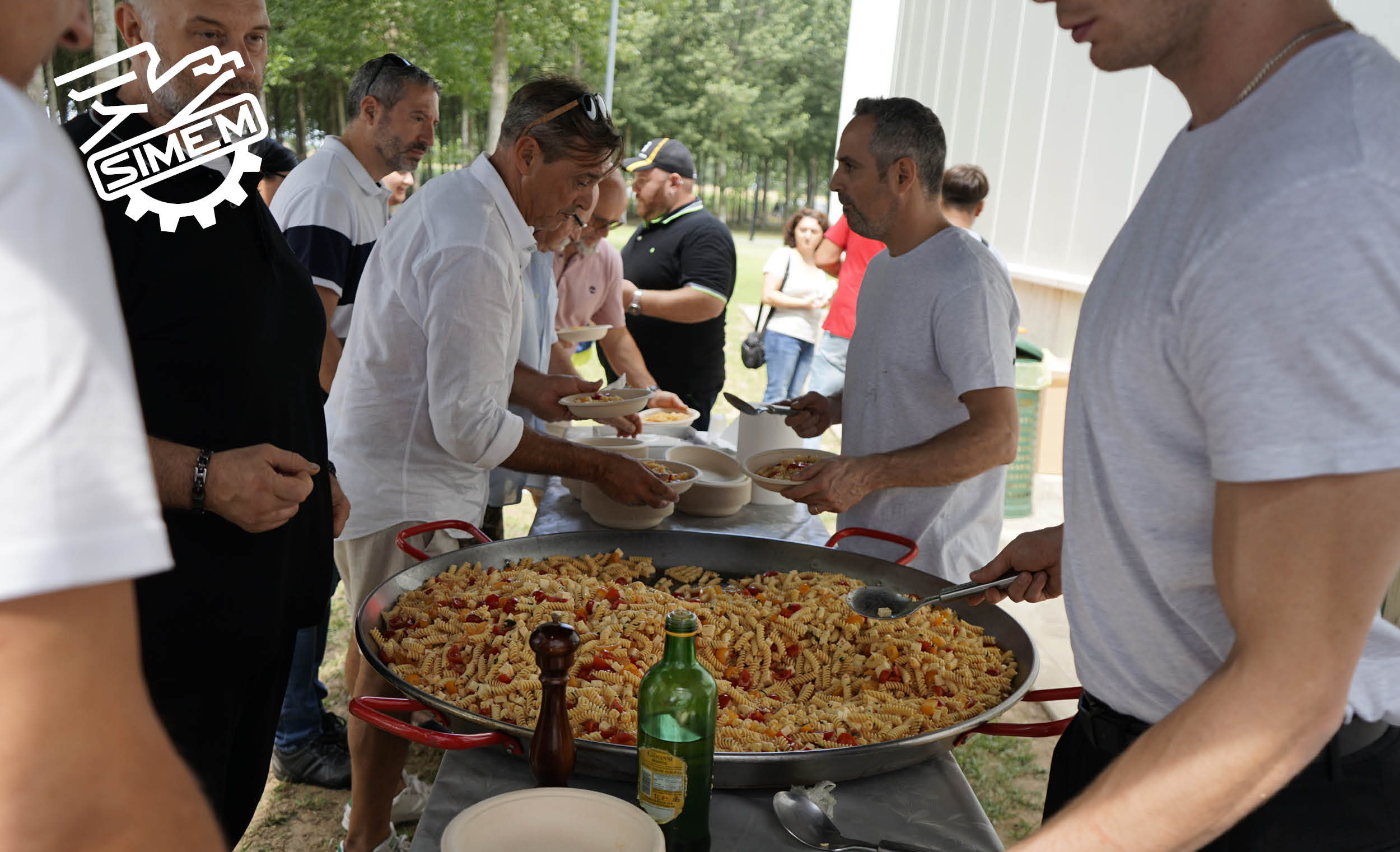
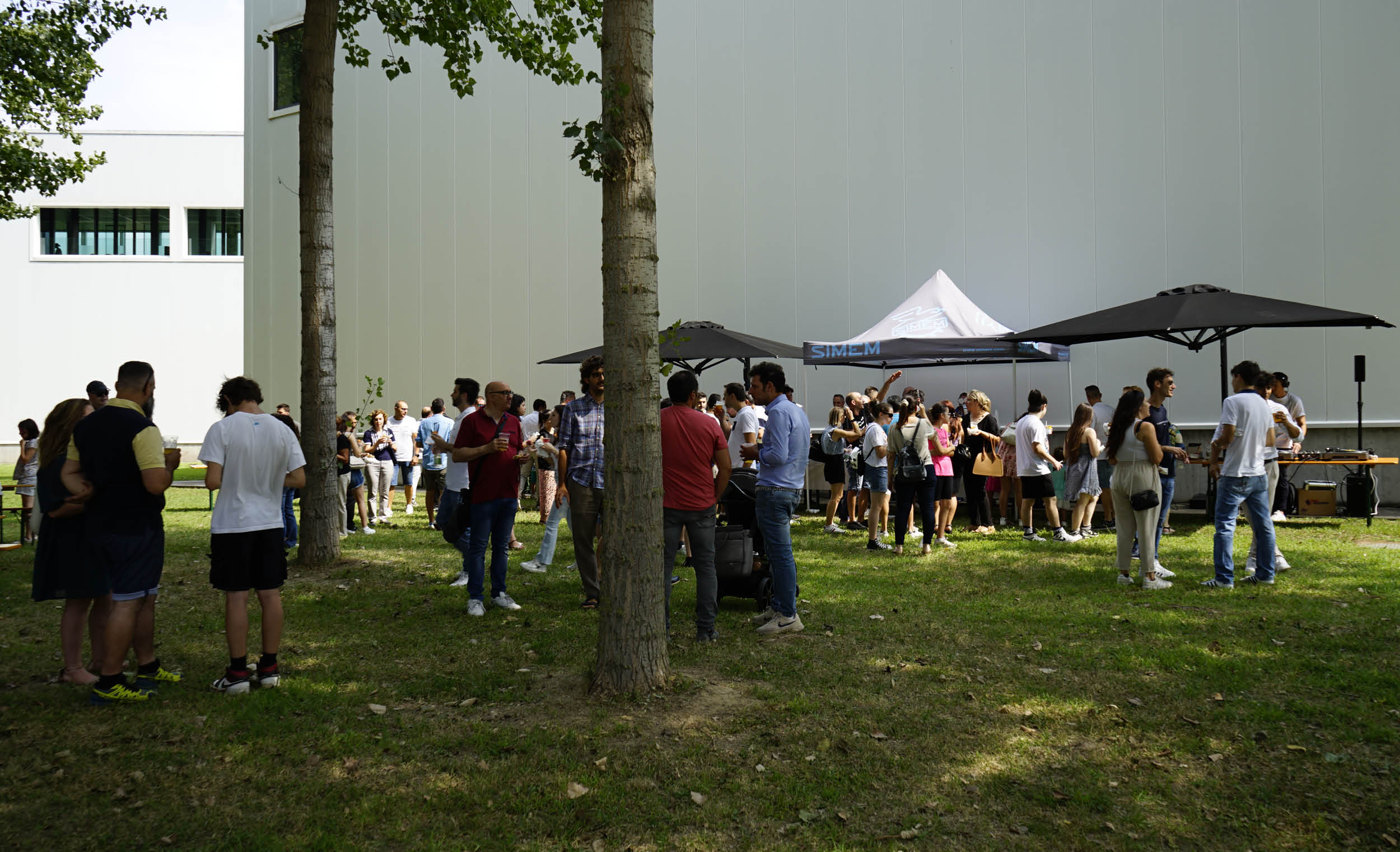
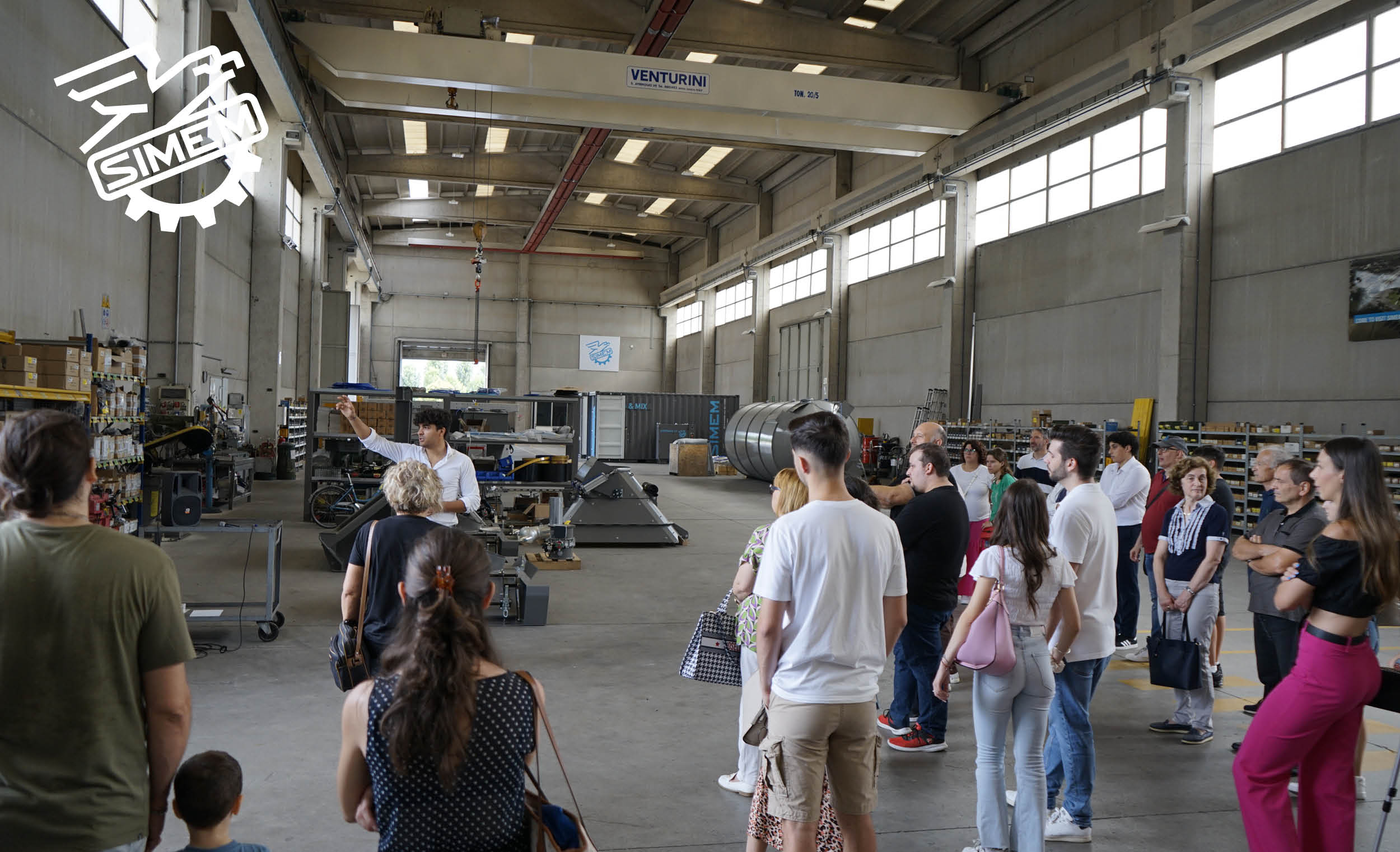
SIMEM FAMILY DAY! Last Saturday 10th august SIMEM hosted its first “Family Day” event! An opportunity for all the family members of Simem employees to visit the factory and the offices of the headquarters in Minerbe (Verona). The employees and their families enjoyed good company, fresh beer and good food! Kids spent the day between a shooting hoops with Legnago Basket association and a make-up session with the artist Elettra! Thanks to all those who worked to make this event happen!
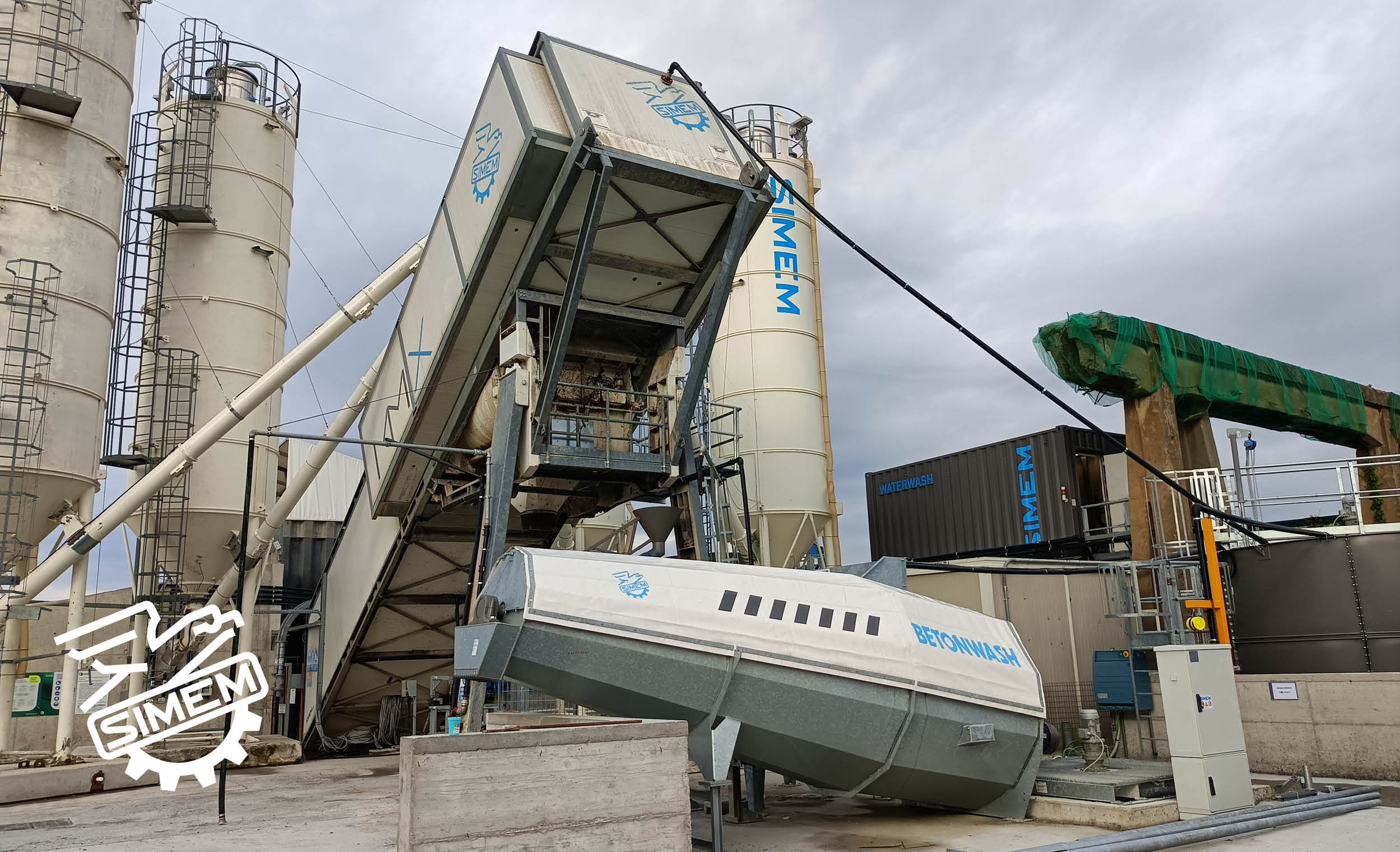
An incredible Simem batching plant stands out in the sky of southern Italy for the Naples-Bari railway connection project. With complete housing, this Wet Beton 80 TWIN S is equipped with 4 planetary mixers model Xentrix 3000 producing 2 cubic meters per hour with two discharge doors. Water Wash and Betonwash provide a complete system for the reclamation of water. Aggregate storage reaches 500 cubic meters. The plant is complete with an aggregate loading system and unloading on buckets.
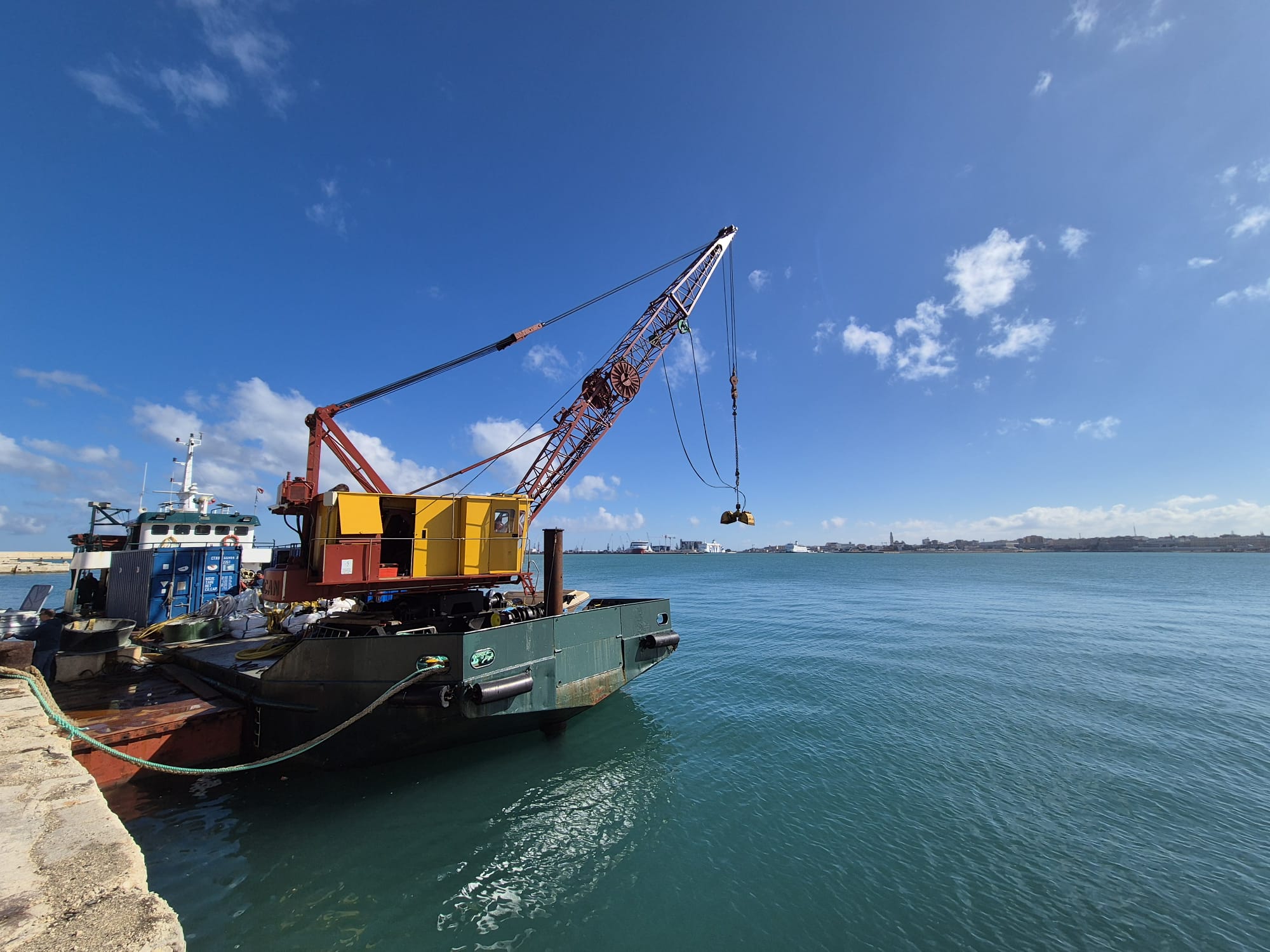
The GreenLife4Seas initiative is an ambitious LIFE research project co-funded by the European Union, which involves the collaboration of various university and business entities, both local and international, whose noble aim is to limit the ecological impact in Mediterranean ports of managing mussel shells as a secondary resource.
The challenge: turning waste into resources
The circular economy is one of the challenges of our time: transforming production process waste into potential resources to be reintroduced into the cycle, limiting or completely avoiding polluting residues.
Every year, about 200 million cubic meters of sediment, often contaminated, are dredged in European ports. In addition, nearly 500 tons of mussel shells are released into the ecosystem; these do not fall within the traditional food waste recycling process and therefore constitute one of the most impactful residues in our seas.
GREENLIFE4SEAS sets itself the noble task of studying and designing a feasibility model for recycling these wastes.
The triple helix consortium: institutions, research and entrepreneurship united for a single goal
The research group behind the GREENLIFE4SEAS project brings together multiple entities within a triple helix consortium.
Universities and research: Politecnico di Bari, CNR and ISPRA share the first phase of research and study concerning the analysis of mussel shell powder, the characterization of sediments and the definition of the mix design of mixtures.
Companies:SIMEM and Vitoneco provide the technologies, plants and machinery to bring the process from the laboratory to the industrial scale. Noesis specializes in the technical and financial management of European projects and supports companies in related funding pathways.
Institutions: the port authorities of Piraeus (Greece), the Southern Adriatic Sea (Bari and Barletta) and the Eastern Ligurian Sea (La Spezia) will provide the appropriate logistics where the production plant and related technical supports will be installed.
In addition to the main actors of the consortium, many important names have publicly expressed their support for the initiative, including Heidelberg Materials and Mapei.
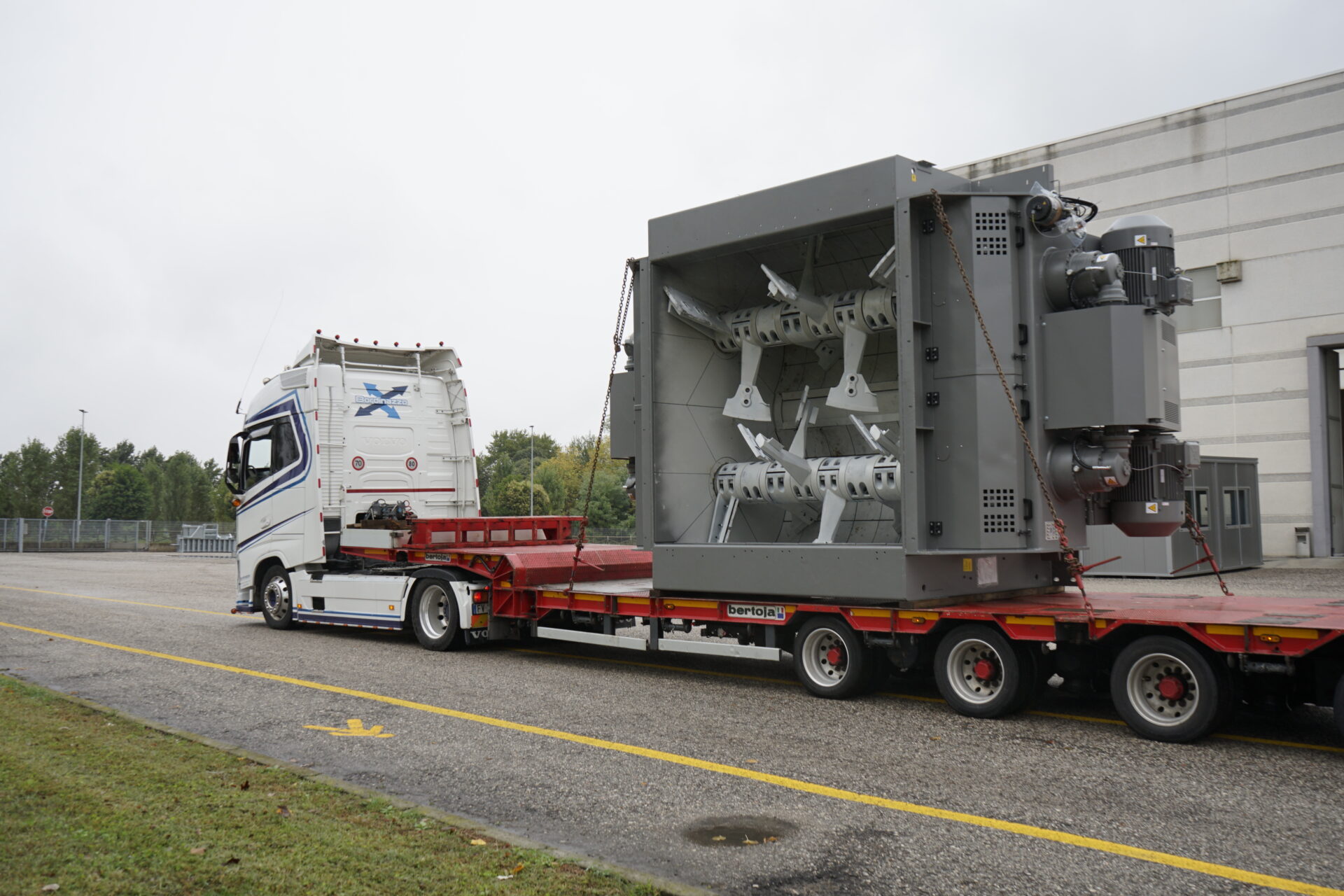
SIMEM, specifically, will supply a super-mobile MobyMix plant used for ready-mix applications with a capacity of 50 cubic meters per hour of concrete. The plant is designed to be transported and installed quickly and easily: it does not require foundations and can be transported on a single standard truck. For installation, the plant “unfolds” like a fan, containing the dosing and mixing unit and the mixer feeding belt. The mixer is a SUN 1500, planetary.
The concrete will be used to produce elements such as breakwaters, but not only. The plant will in fact be combined with a block-making machine which, fed by the plant, presses and prepares the final prefabricated blocks.
In this way the production chain is completed: the breakwaters and interlocking paving blocks will be placed in the same port areas as the plant.
The three pillars of the project
The project aims to find sustainable medium- to long-term solutions that are also commercially attractive and reproducible for the so-called “secondary materials” market.
Four innovative by-products: Full-scale production of shell powder, paving blocks (450 m²), breakwaters (30 m) and stabilized masses, reusing dredged sediments (after decontamination) and shells.
A circular and mobile business model: Development of a prototype mobile plant for collecting, processing and producing products directly in situ, eliminating transportation costs and environmental impact.
Reduction of regulatory barriers: Definition of a specific authorization protocol to simplify and regulate the reuse of dredged sediments outside port areas, both in Italy and in Greece.
Specific results
The first results of the project are already visible and tangible. Thanks to collaboration with the industrial stakeholders involved, including Heidelberg Materials, MAPEI and Prefabbricati Pugliesi, the first prototypes of products obtained from the valorization of the materials studied within the GREENLIFE4SEAS project have been developed at the laboratories of the Politecnico di Bari.
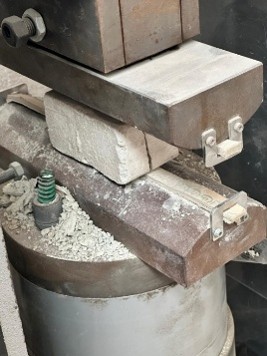
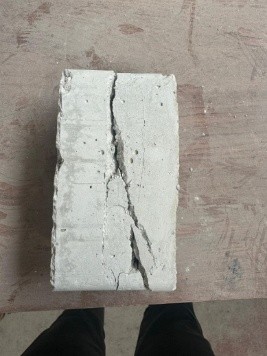
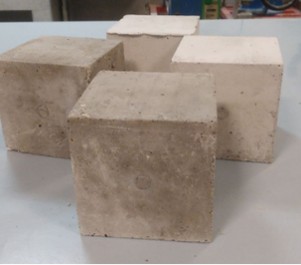
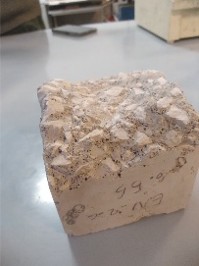
The images show some of the developed prototypes: interlocking outdoor paving elements (Fig. xxa-b) and scale models of coastal protection works (Fig. yya-b). Although mainly produced through the recovery of marine-derived waste materials and suitably treated sediments, the products have shown performance in line with the requirements for their respective applications, confirming the validity of the approach developed by the partnership.
The experimental activities have thus demonstrated how materials currently considered an environmental problem can be transformed into a concrete resource for the construction sector and port infrastructure. A particularly significant result that paves the way for the next phase of real-scale testing and the future industrial application of the solutions developed within the project.
Fig. xx Outdoor paving blocks: a) Indirect tensile strength test b) example of the first prototype (6x6x12 cm).
a)
b)
Fig. yy Breakwater block: a) Example of the first prototype (10x10x10 cm); b) detail of the prototype after mechanical strength testing.
a)
b)
Next steps: starting from the Port of Bari
The first phase of research is almost completed with excellent results, as just illustrated. The next step involves the imminent installation of the Simem plant and the block-making machine at the Port of Bari, where the first tests and potentially large-scale production of prefabricated products will begin.
SIMEM is proud to contribute concretely to a highly impactful project not only for the European aquaculture sector but also for local communities, research centers and the business fabric of the territories involved.
MMX plant becomes fully operational at the port of Genoa
The installation was completed with the water recycling system – Betonwash and Waterwash – and now the plant is fully operational in one of the most beautiful ports in Italy!
As you can see, MMX manages to produce a significant quantity of quality concrete even in very demanding logistical situations.