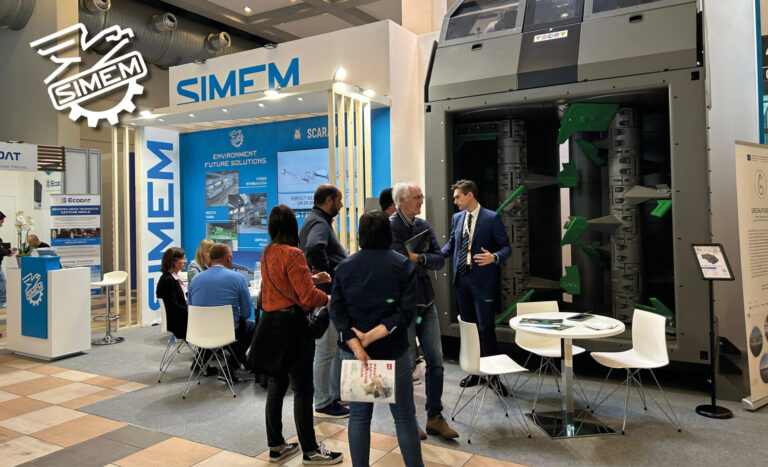
SIMEM Strengthens Australian Presence with PrimeBatch

SIMEM S.p.A Strengthens Australian Presence with PrimeBatch Pty Ltd – The Official Exclusive Distributor for Australia and Papua New Guinea

At SIMEM S.p.A, we are proud to reaffirm our long-term commitment to the Australian market through our trusted partner and exclusive distributor, PrimeBatch Pty Ltd. Headquartered in Brisbane, PrimeBatch has been appointed the distributor of the SIMEM concrete batching product range across Australia and Papua New Guinea, bringing our world-renowned Italian engineering directly to customers with genuine factory support and local responsiveness.

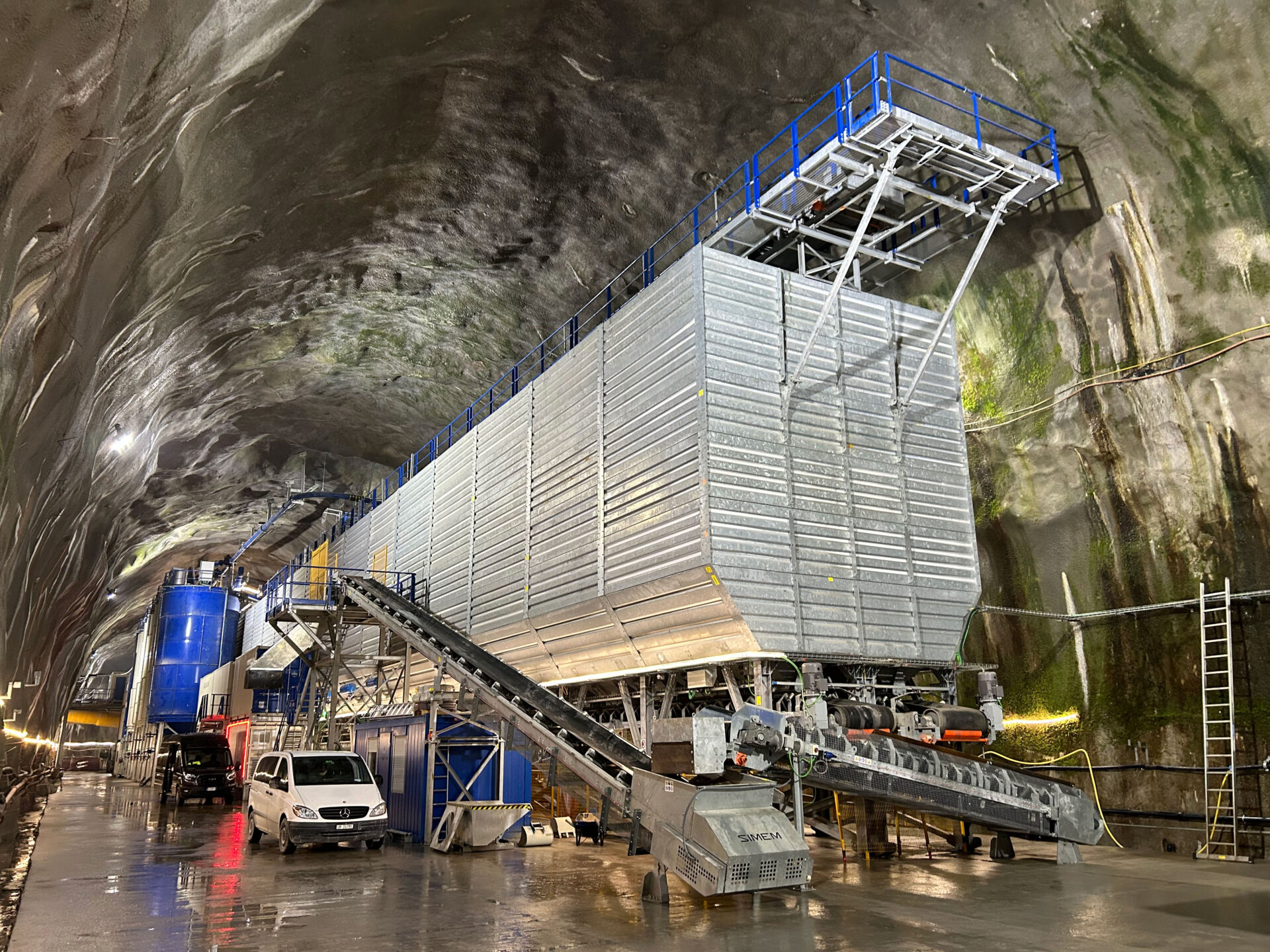
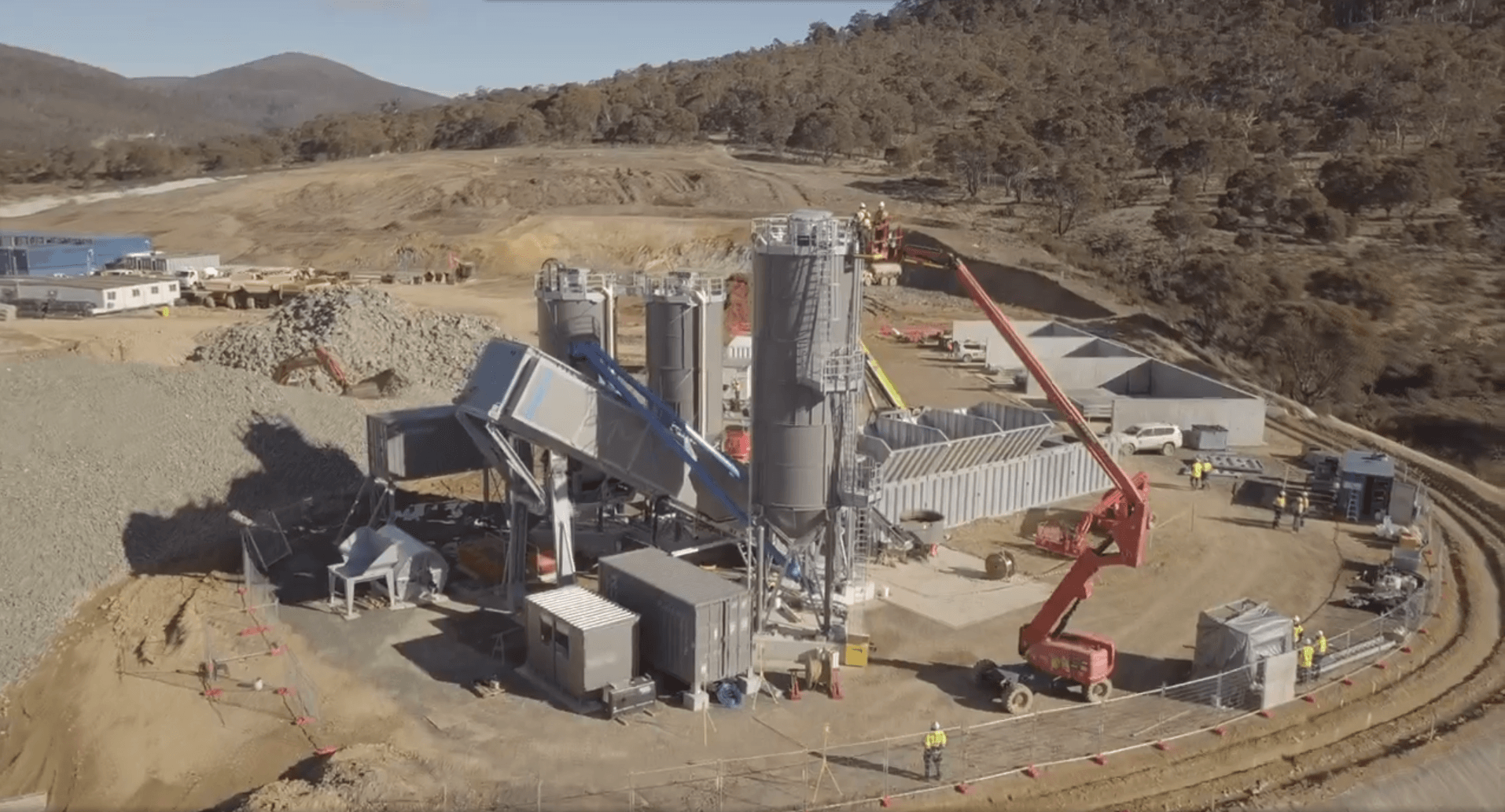
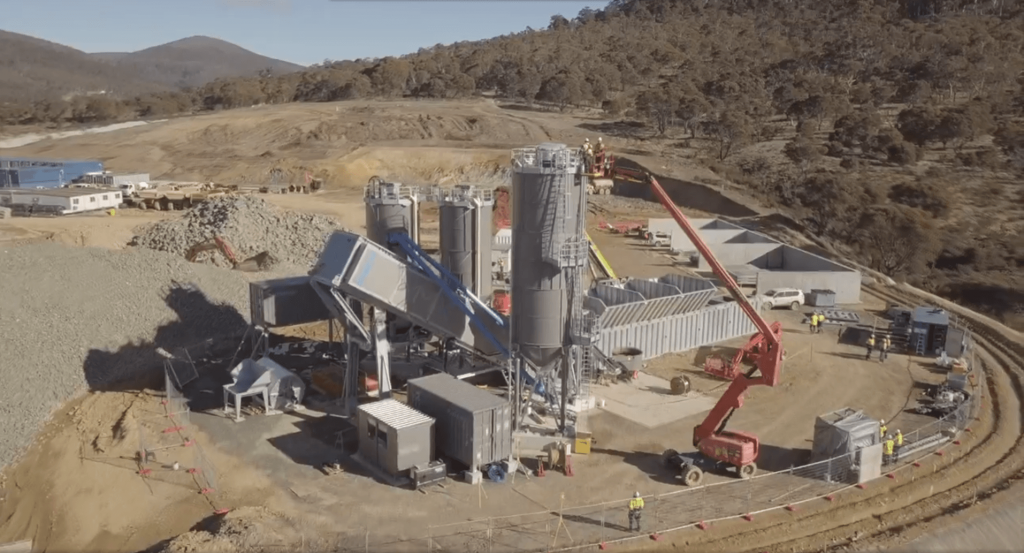
Snowy 2.0 represents the qualitative capacity of Simem plants and the PrimeBatch service

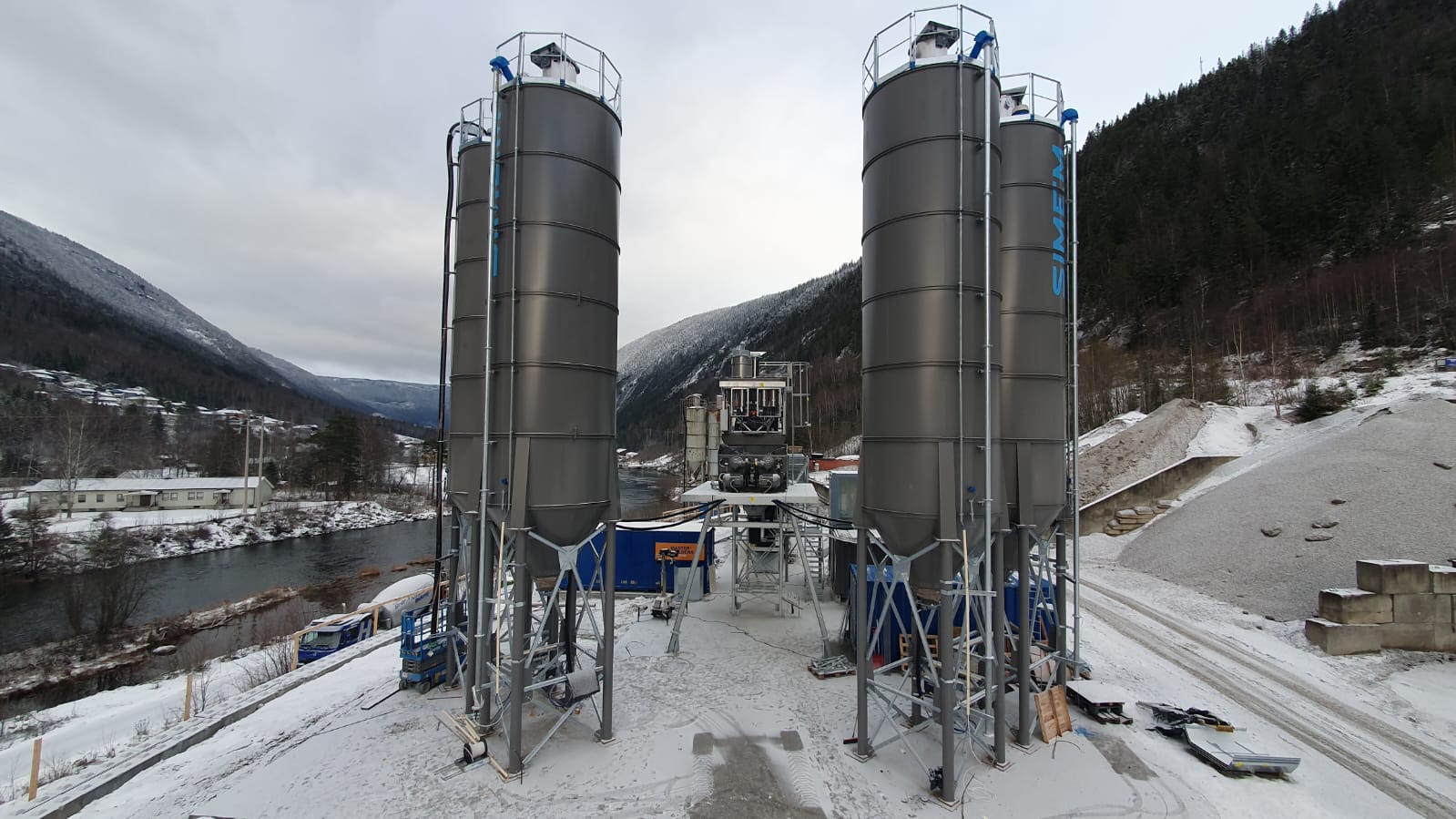
A flagship example of this successful partnership is already in full operation at one of Australia’s most significant infrastructure projects: Snowy 2.0. PrimeBatch is proudly supporting the five large-scale SIMEM concrete batching plants currently producing the high-quality concrete required for this nation-building pumped-hydro scheme in the Snowy Mountains. From plant support and ongoing technical assistance to rapid spare-parts supply and specialised operator training, PrimeBatch ensures that these critical SIMEM installations continue to deliver the reliability, precision and output that the project demands, even under the most challenging alpine conditions.

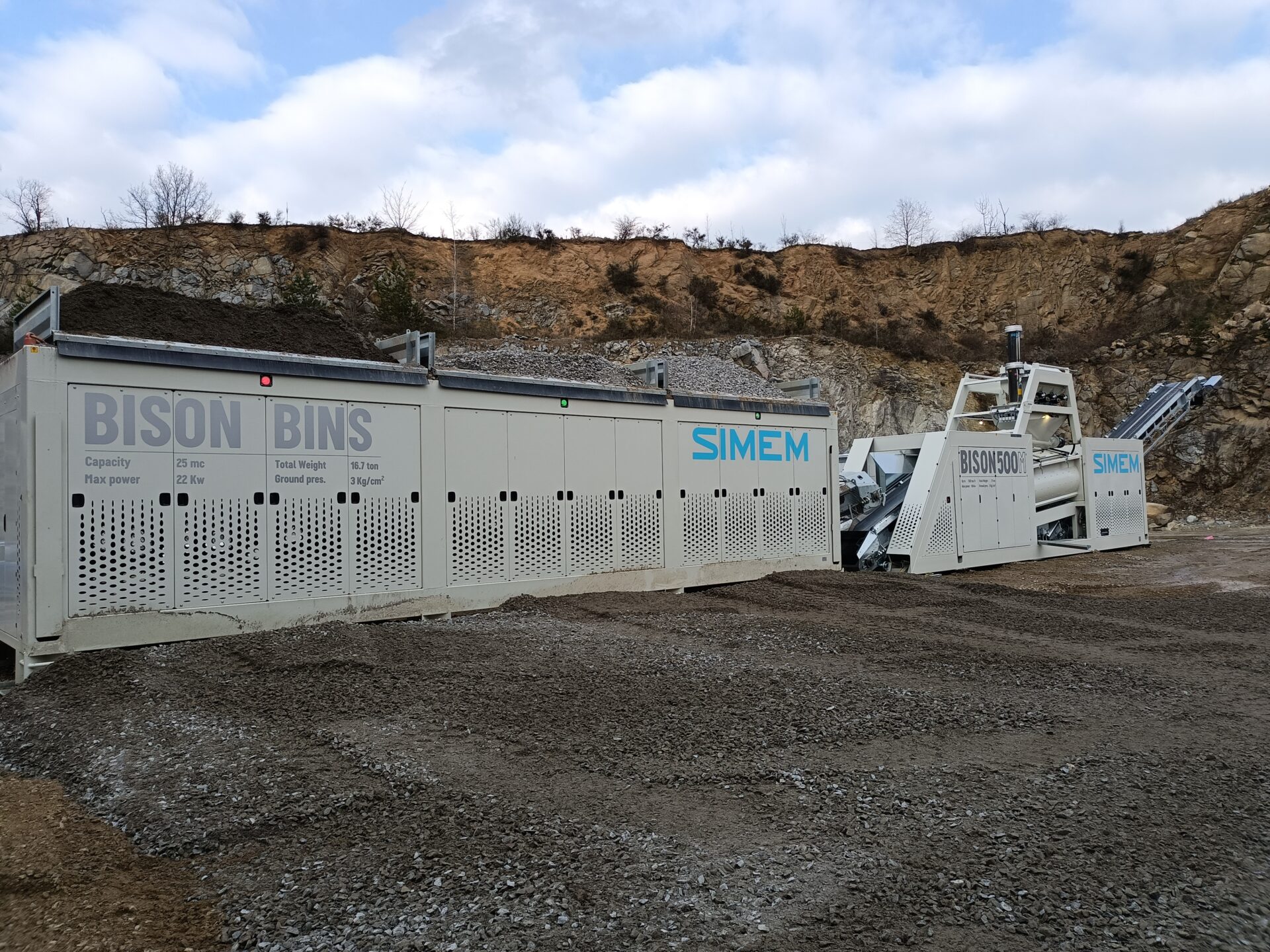
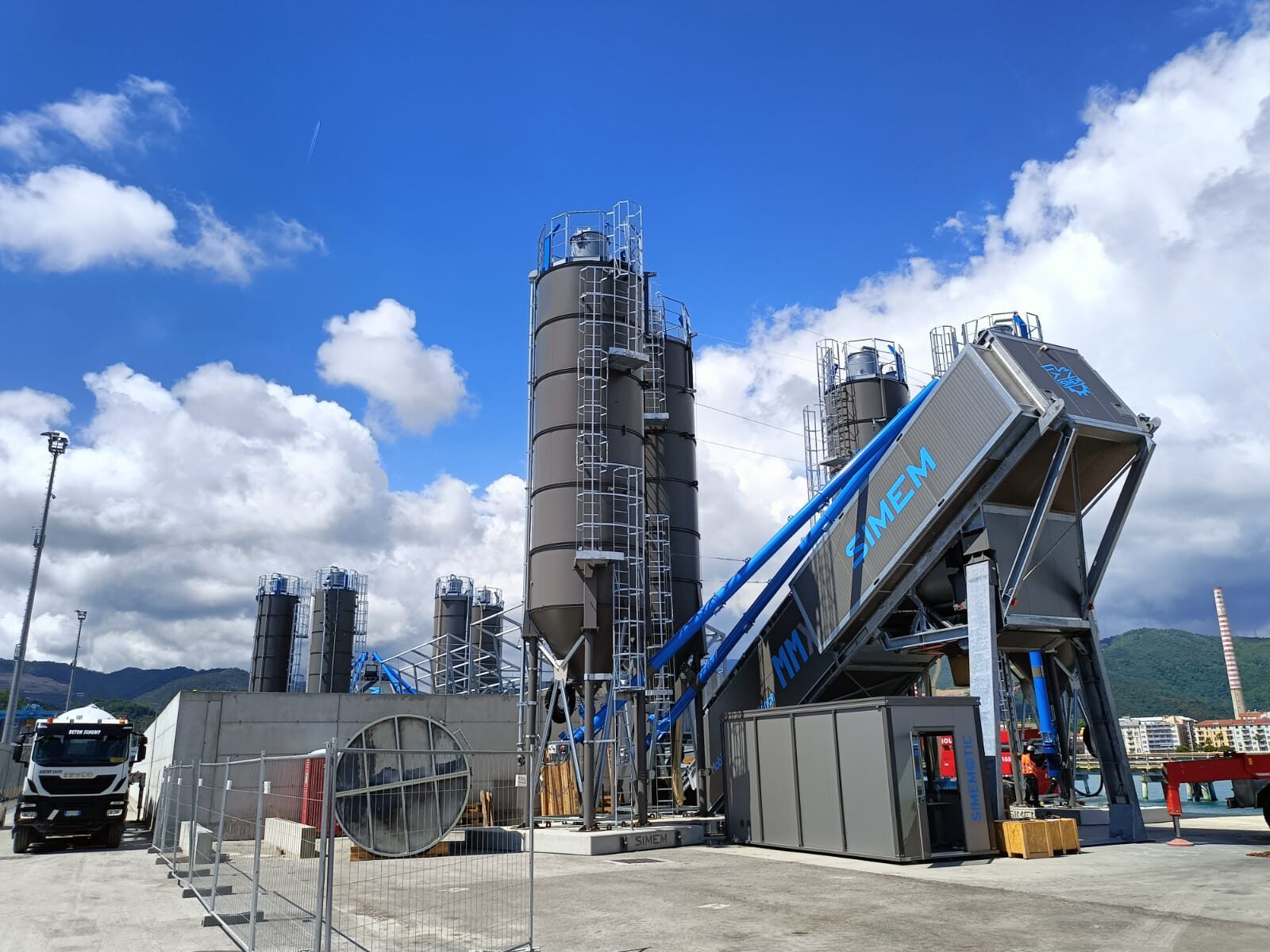
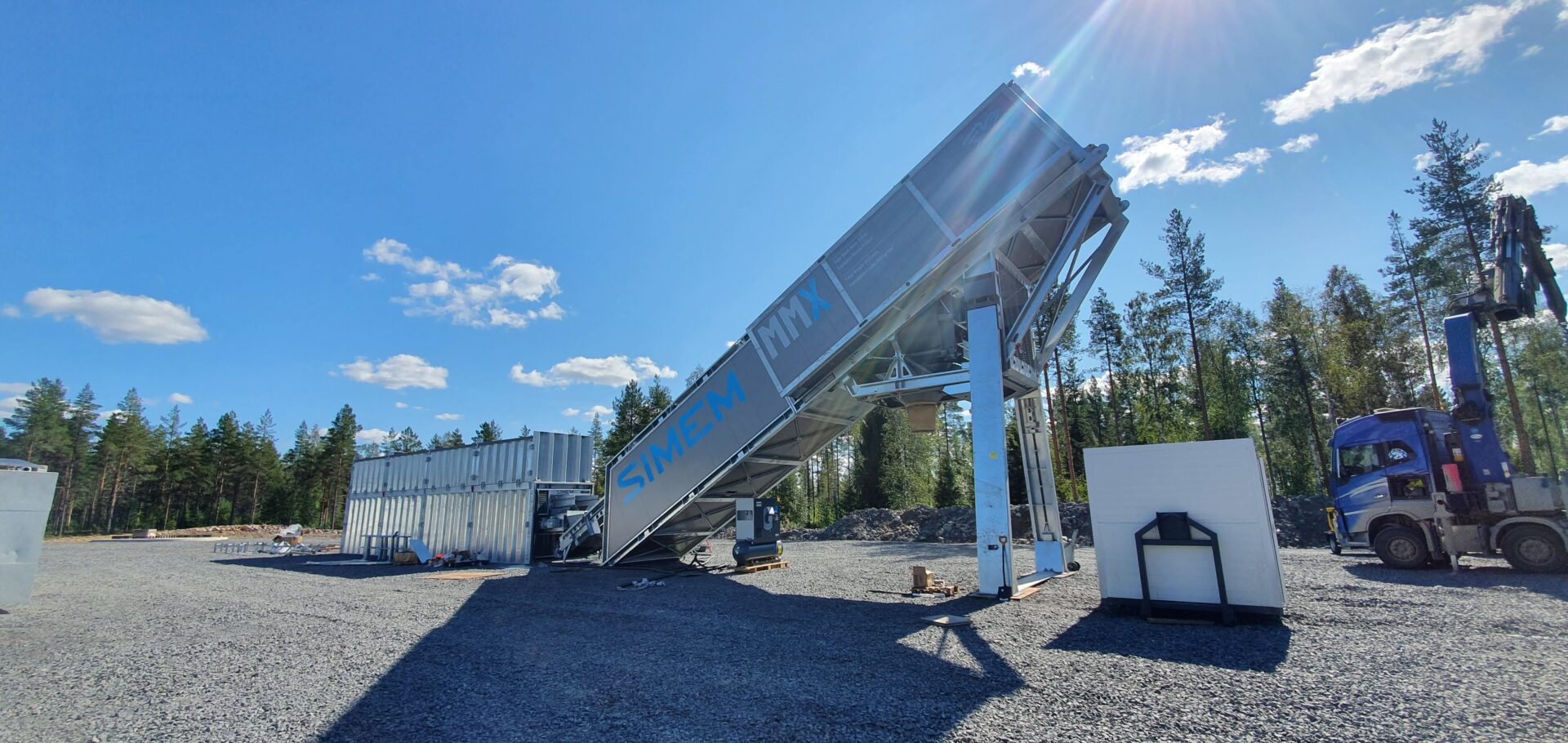
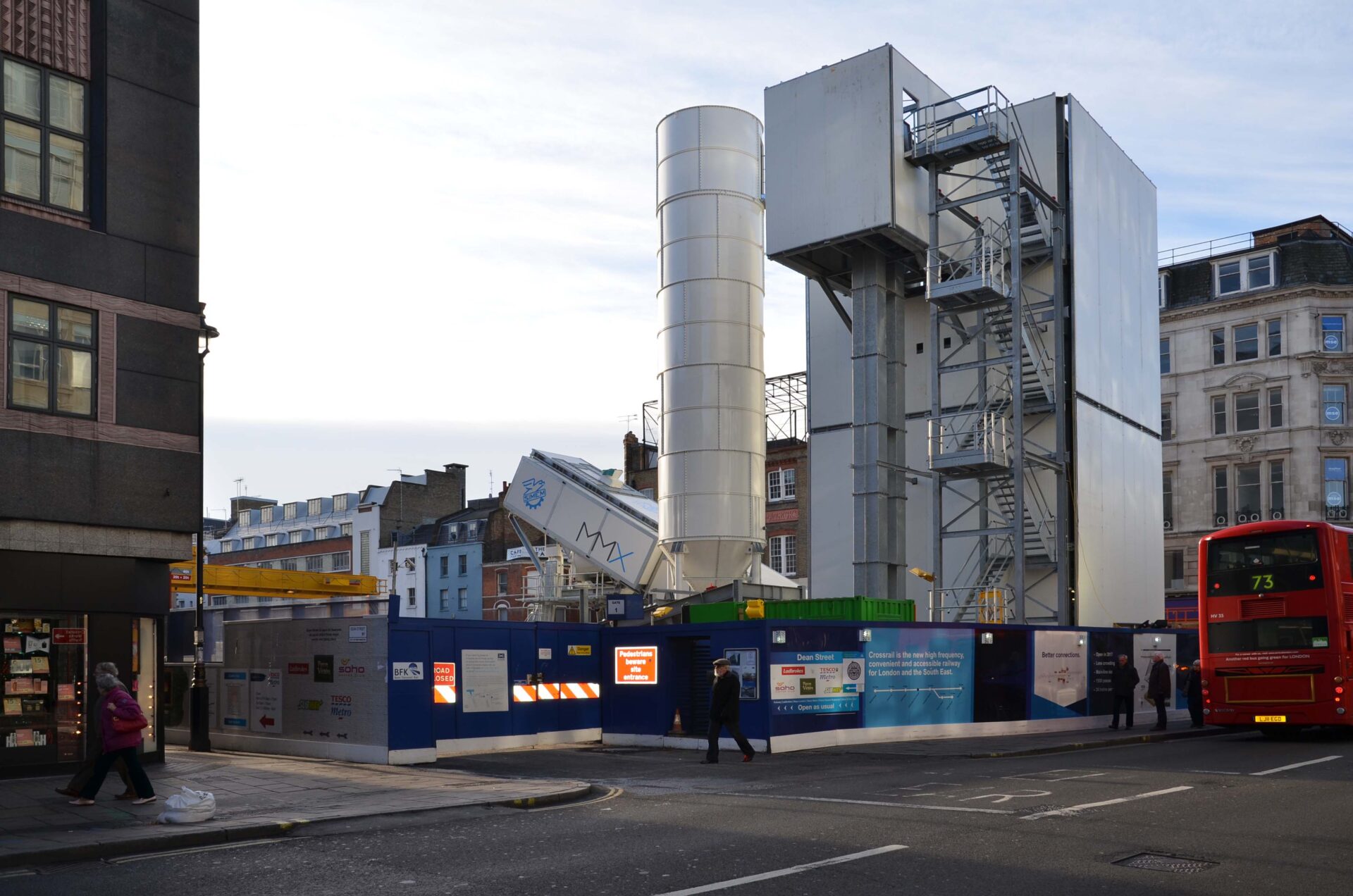
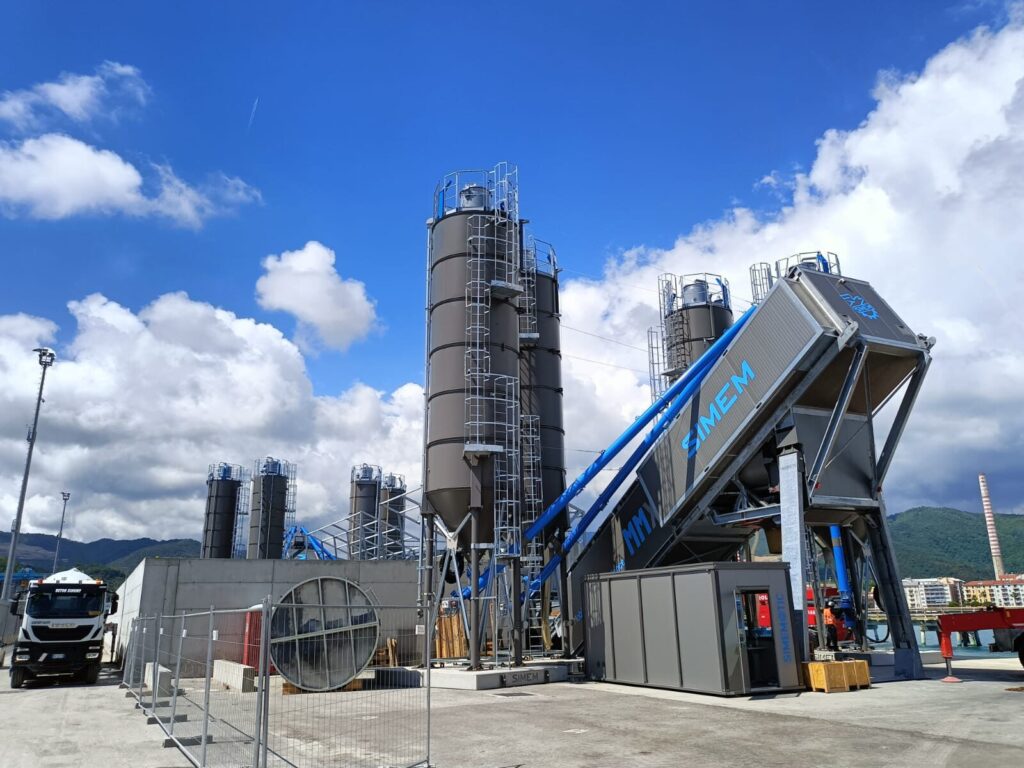
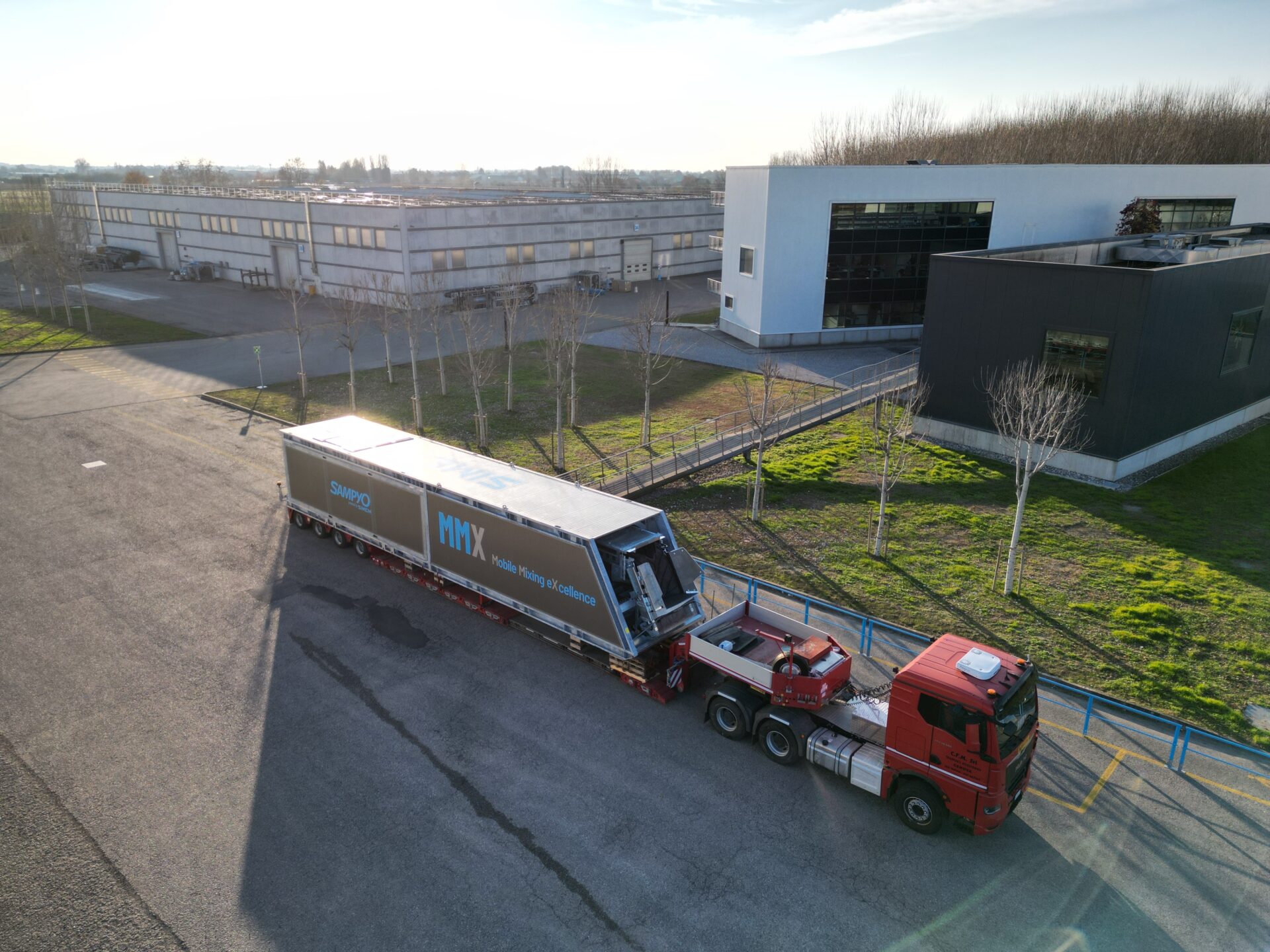
Simem super mobile batching plant MMX

Beyond Snowy 2.0, PrimeBatch is actively expanding its nationwide footprint with dedicated service teams, local spare-parts inventory and demonstration facilities, making the entire SIMEM portfolio available for ready-mix producers, precast factories, mining operations and major civil contractors throughout Australia and Papua New Guinea.

Contact our team for Australia and Papua New Guinea

With PrimeBatch as our exclusive partner on the ground, Australian customers can now specify SIMEM with absolute confidence, knowing they receive authentic Italian technology backed by world-class local service. We invite the industry to discover how this powerful alliance is already powering Australia’s future by reaching out to PrimeBatch using the details below.

For more information on SIMEM solutions now available through PrimeBatch Pty Ltd, please visit www.primebatch.com.au, or visit their LinkedIn page . The PrimeBatch and SIMEM teams stand ready to support your next project, wherever it may be.

The Cumbidanovu dam in Sardinia: infrastructure for the territory and local communities thanks to Simem batching plants

The final work: a dam holding 13 million cubic meters of water

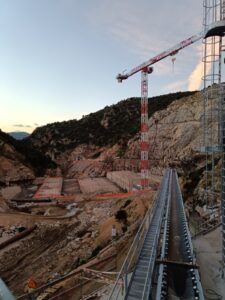
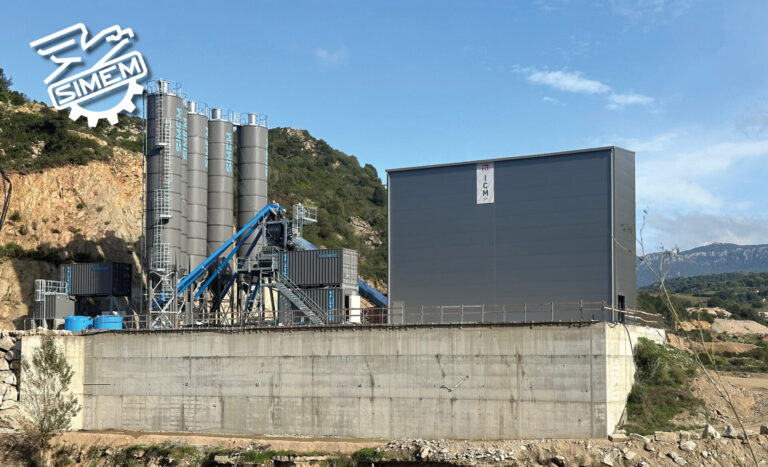
The Cumbidanovu Dam is a project located in Sardinia, in the Orgosolo area (Nuoro), along the Cedrino River.

It is a zero-gravity concrete dam with a reservoir capacity of about 13.3 million cubic meters of water and a continuous flow rate of 50 liters per second.

The project has been included in the Multi-sector Water System of the Sardinia Region: its main function is to supply water for irrigating approximately 2,800 hectares of surrounding agricultural land and, to a lesser extent, for industrial use and electricity generation.

After numerous interruptions due to both bureaucratic and natural causes (the construction site was destroyed in 2013 by Cyclone Cleopatra), in 2024 the construction company ICM from Vicenza won the contract to resume work and complete the project.

The construction site and its challenges: limited space, high performance

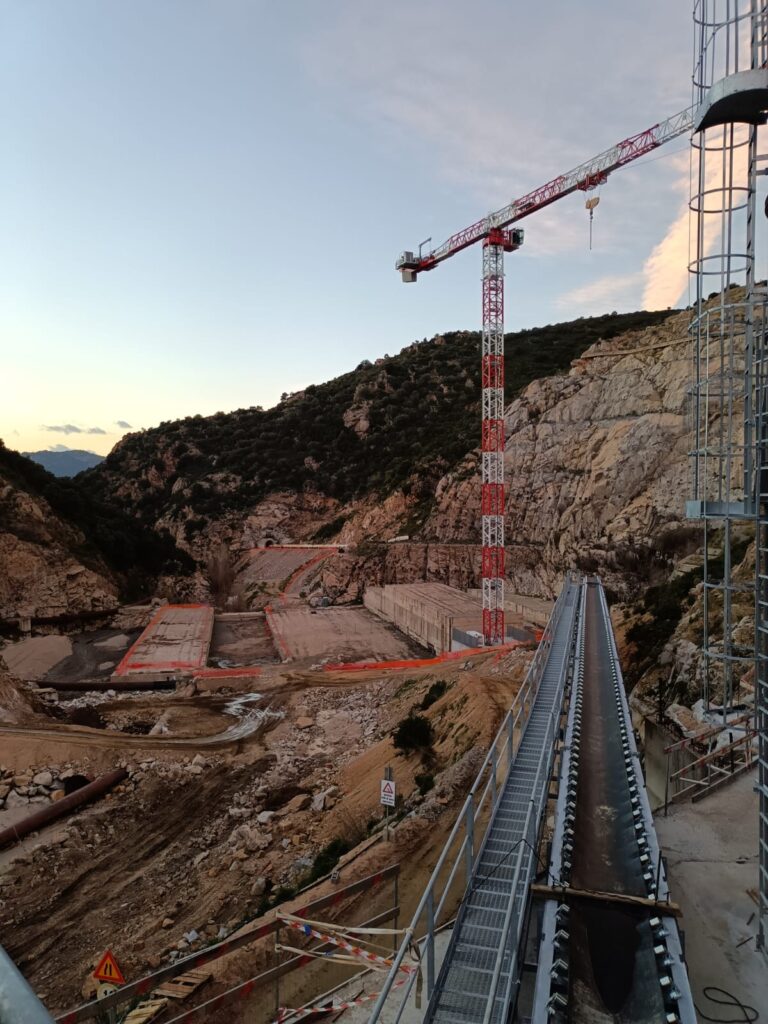
The main challenges of this site were the limited space available for installing machinery, given the geological conformation of the surrounding area, and the need to produce concrete directly at the dam site.

This is a scenario that Simem has successfully managed many times, boasting numerous achievements in international hydroelectric development projects: from the Nam Theun Dam in Laos to the Changuinola Dam in Panama and the incredible Renaissance Dam in Ethiopia, whose construction was completed in 2025 after 16 years of work.

Since the late 1990s, Simem has built solid foundations and accumulated valuable experience to master the technologies and applications of this specific sector of the construction world, confirming itself as a reliable and expert partner.

Complete concrete plant: efficient and ready to use

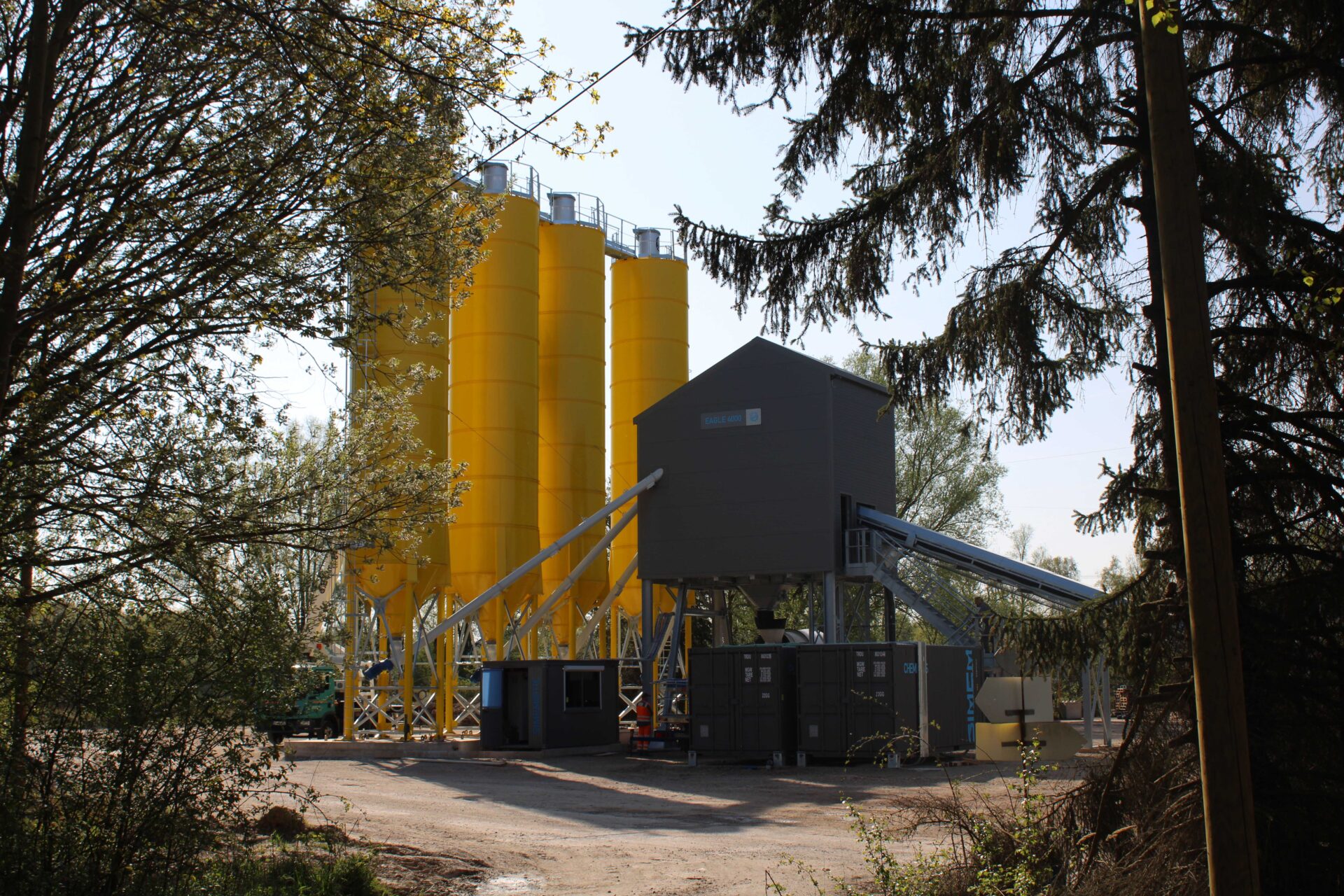
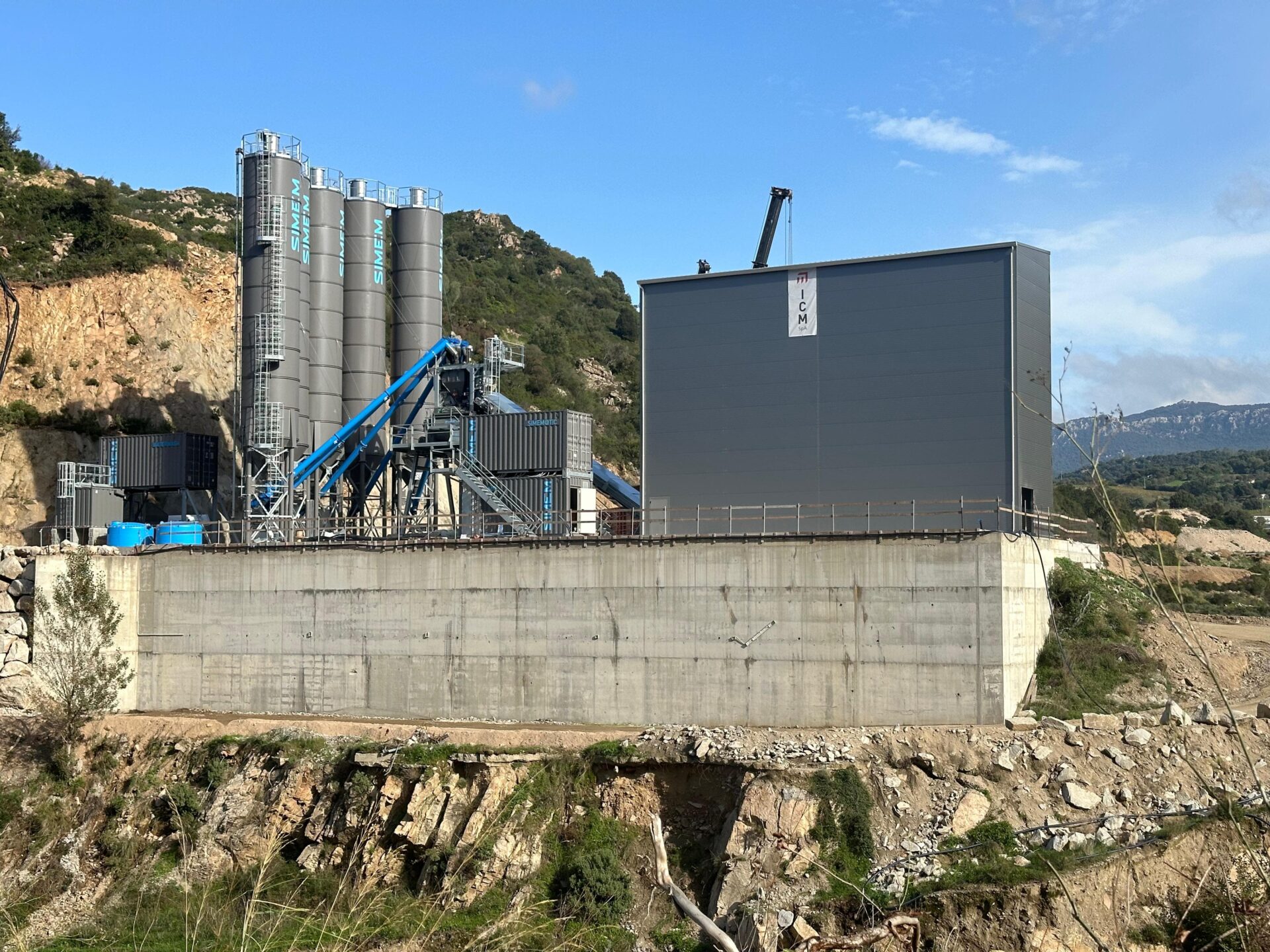
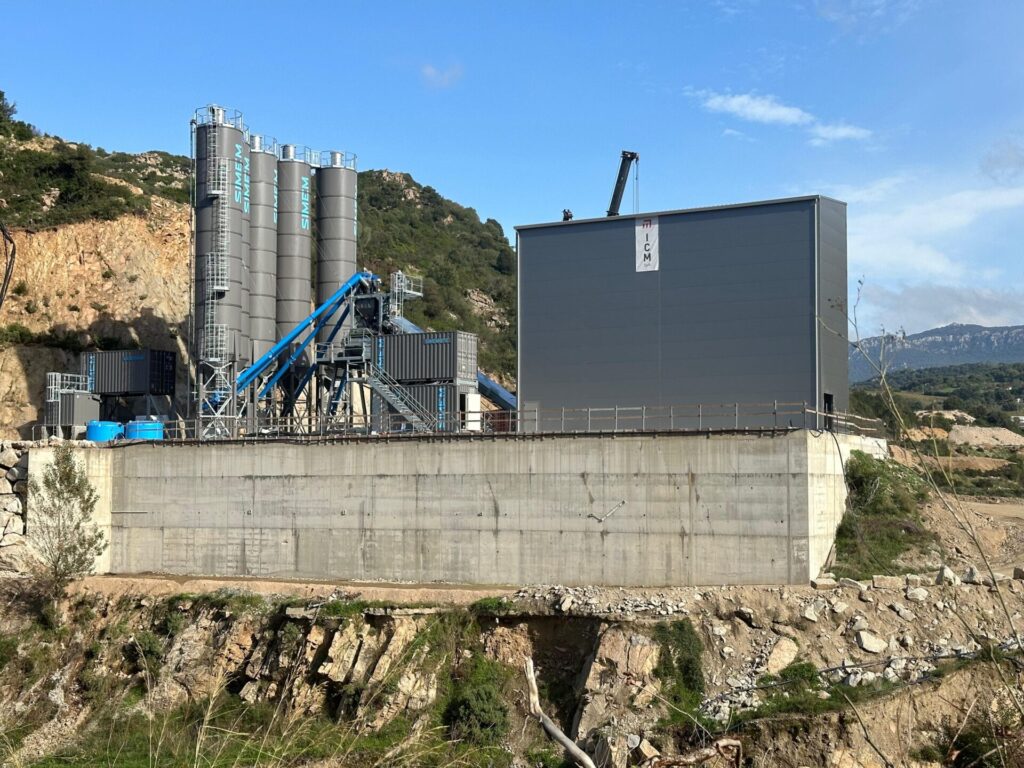
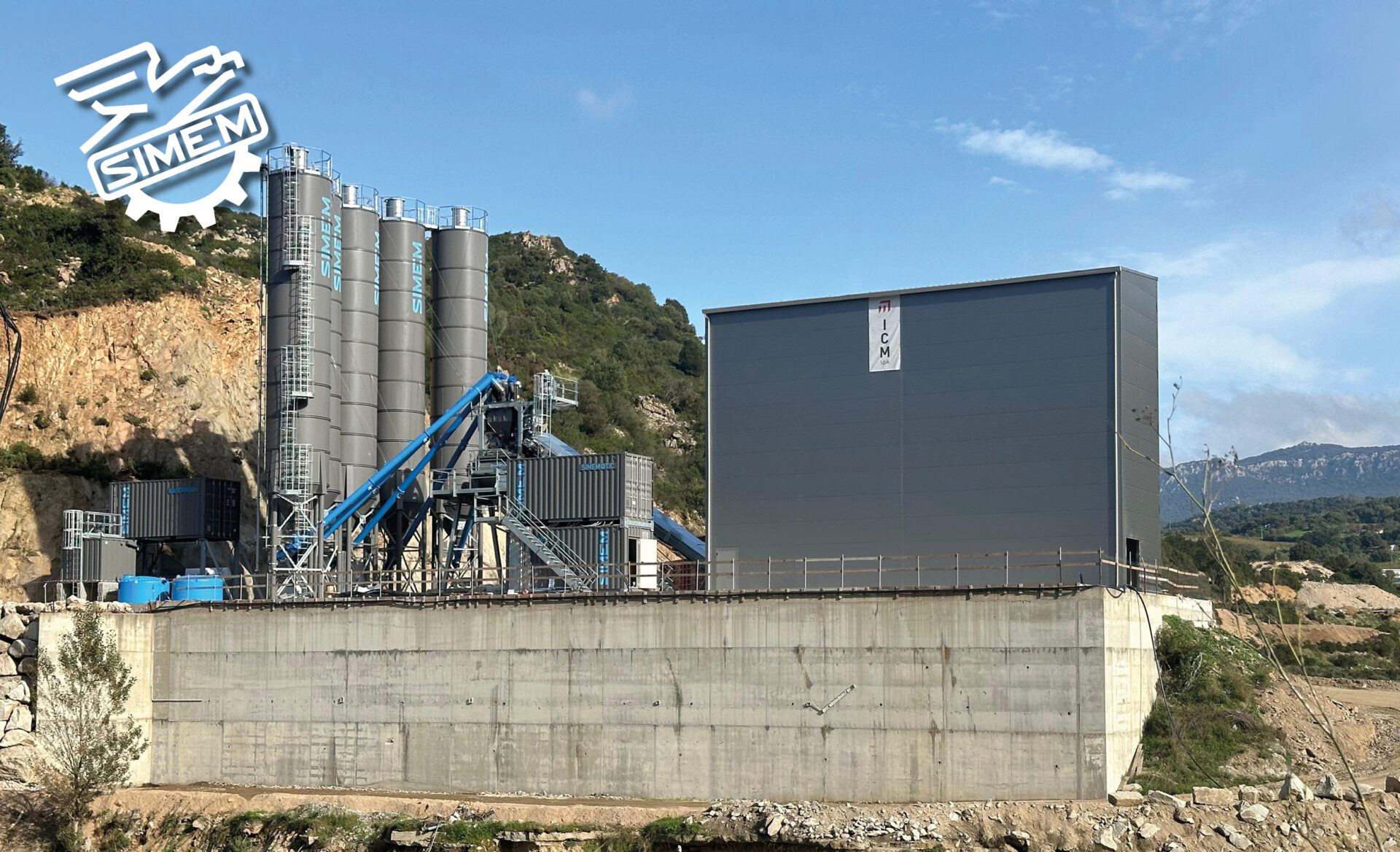
For concrete production, Simem supplied an Eagle 5000 plant complete with a ground-loading system with semi-mobile hoppers.

The mixer is a new-generation Simem twin-shaft model Rhyno.
As for the aggregate group, it consists of six fully enclosed compartments (with an overall height of nearly 13.5 meters).

  • External housing for protection against bad weather and high temperatures
  • Equipped with an ice weighing scale for concrete temperature control, considering high summer temperatures
  • 5 silos for binders complete with dosing screws
  • Plug & Mix: a containerized system housing all elements for proper plant operation, such as electrical panels, water and additive pumps, compressor, and distribution board
  • Complete system for recycling residual concrete (BetonWash), filtering dirty water (WaterWash), and pH correction, ensuring total recovery of process water

Simem technology serving large infrastructure: dual distribution system

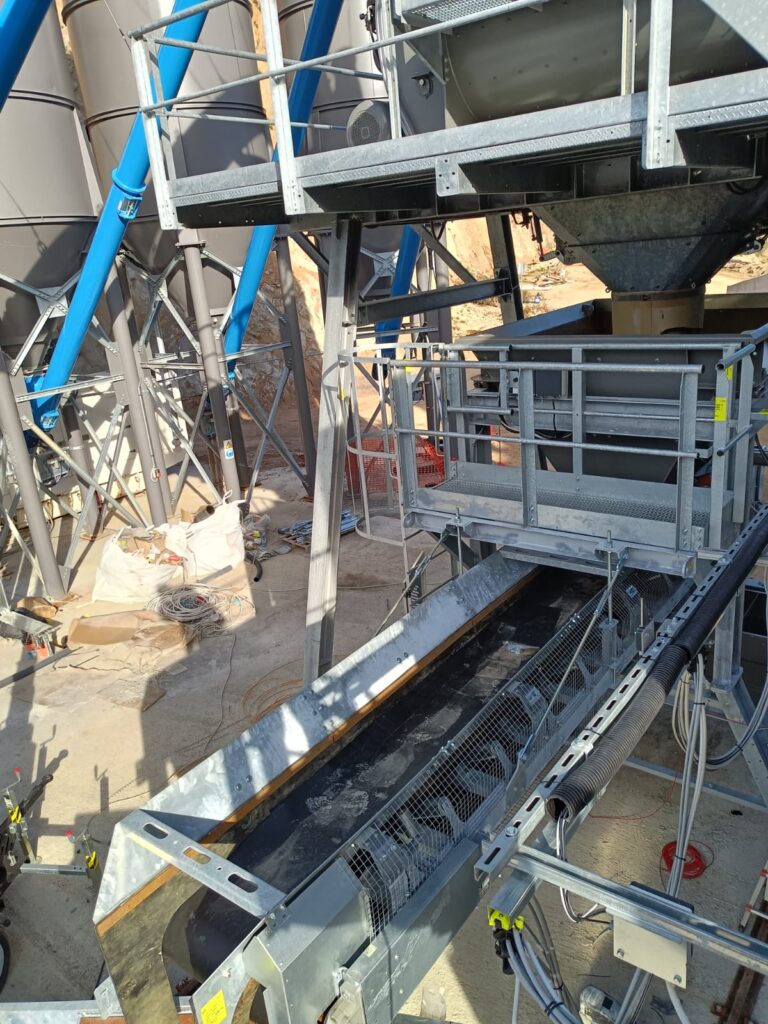
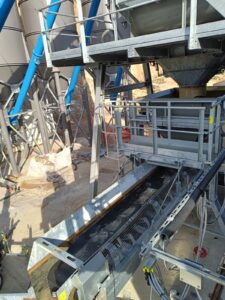
Aggregates are unloaded directly into two semi-mobile receiving hoppers with a capacity of 25 cubic meters each; the material then moves to a 30-degree inclined belt, 25 meters long, equipped with a safety walkway for inspection and maintenance.

The aggregate group is a six-compartment Nexus, with a double outlet per compartment and a total volume of 336 cubic meters, ensuring large storage capacity and excellent weighing precision.

The mixer is a Rhyno 5000 twin-shaft model with a concrete output of 3.3 cubic meters, complete with a concrete temperature sensor and dust filter.

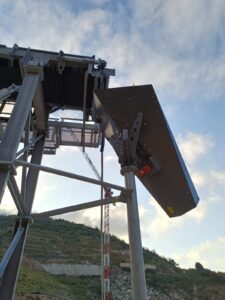
The distinctive feature of this plant, designed by Simem, is the mechanical handling system for discharging concrete: the plant can deliver the produced concrete near the dam abutments or load it into truck mixers.

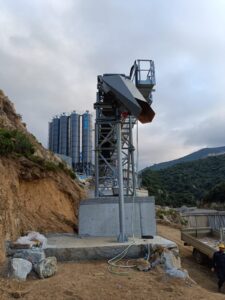
From the mixer, the concrete moves into a mobile receiving bucket that can shift horizontally along rails. The bucket can load onto an additional 60-meter belt if the material is sent directly to the dam; alternatively, if truck mixers are present, the bucket moves aside to allow direct loading from the discharge cone.

This batching plant was custom-designed at ICM’s request: the plant meets the client’s need for an additional level of automation in various stages, while optimizing the limited available space thanks to high vertical storage with a reduced footprint.

How concrete can become the solution to reducing CO₂ emissions

The construction sector, considering both material production and building activities, is responsible for about 37% of global CO₂ emissions related to energy and industrial processes (source: IEA), making it one of the most polluting industries worldwide.

This situation is due to several factors:

Production and Transportation of Raw Materials

Huge amounts of CO₂ are emitted during the production of materials such as cement and steel, which are often transported over long distances.

Industrial Processes Difficult to Decarbonize

Producing cement, steel, and lime releases significant CO₂ not only due to energy use (often fossil-based) but also because of intrinsic chemical reactions: for example, the calcination of calcium carbonate to produce clinker inevitably releases large amounts of CO₂.

High Temperatures

Clinker production kilns operate at very high temperatures (>1400 °C), as do steel foundries (which exceed 1400–1500 °C). Such temperatures are hard to achieve with renewable sources or conventional electrification.

Materials Difficult to Replace

Cement, steel, aluminum, and glass have unique properties (strength, durability, structural safety) that make large-scale substitution with low-impact alternatives complex.

Growing Demand

Global urbanization and infrastructure development drive continuous growth in the sector; therefore, a percentage reduction does not translate into an absolute reduction.

Decarbonization Technologies Still Immature or Expensive

Solutions such as carbon capture and storage (CCS/CCUS), green hydrogen, or new low-emission binders are promising but not yet scalable or economically competitive on a large scale.

What Initiatives Have Been Activated by Concrete Industry Players?

Major industry institutions, particularly the European Cement Association (CEMBUREAU) and the Global Cement and Concrete Association (GCCA), have long been studying how to address the problem structurally, implementing integrated policies in collaboration with leading global players.

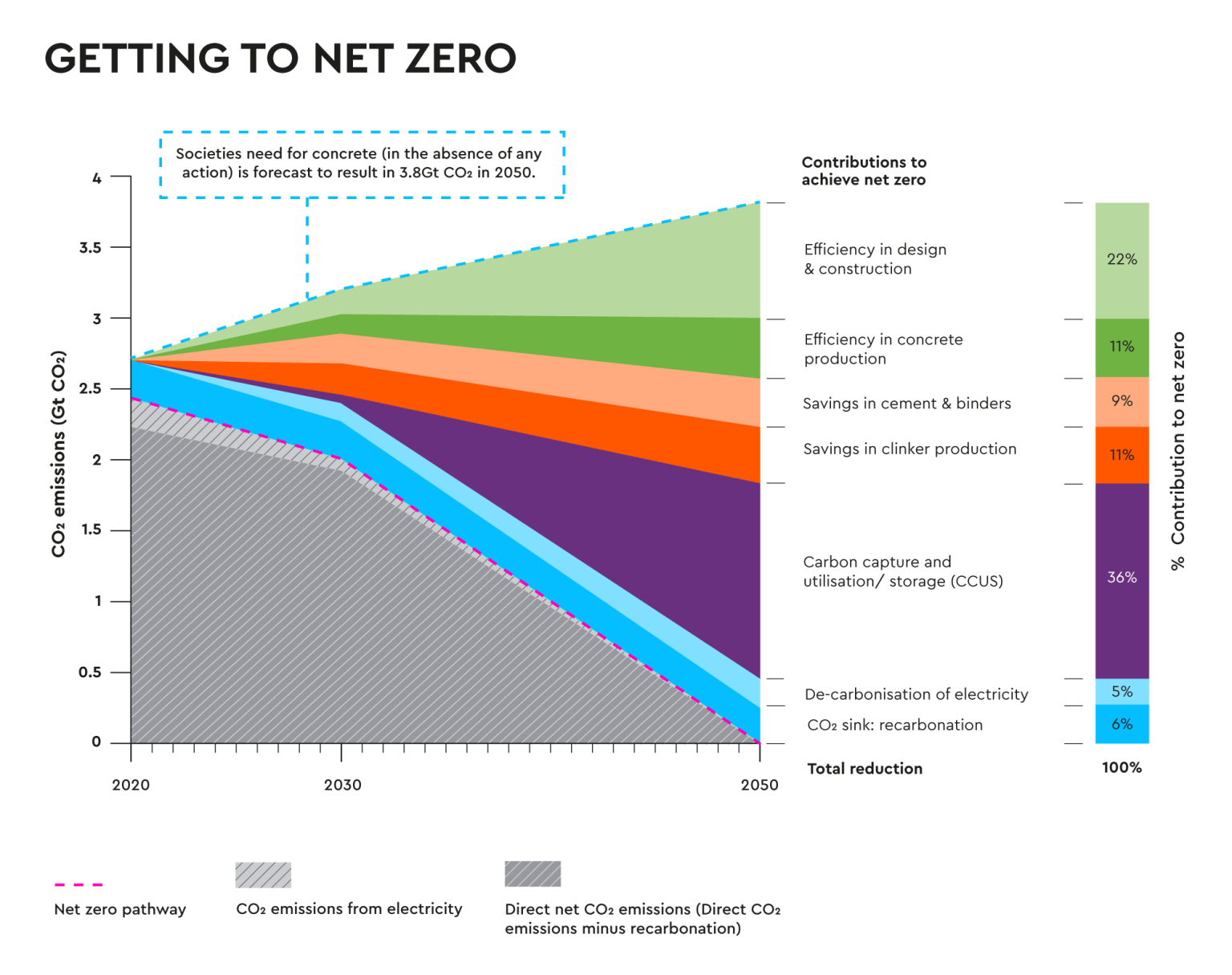
GCCA’s stated goal is “Net Zero” CO₂ emissions—achieving zero emissions in concrete production by 2050. But how?

There are various areas in which industry institutions want to take action, and for this reason they have created a roadmap that illustrates the different points of activity.
Specifically, the goal is to improve the design of production machinery as well as the process to limit emissions as much as possible; or to reduce the use of clinker (the polluting element of cement) and save on electricity.
The most significant fact, however, is that almost 40% of the actions that would make it possible to achieve zero emissions are represented by CCUS: carbon capture, utilization, and storage.
CCUS is a set of technologies aimed at capturing CO₂ from industrial processes to use it in new and different processes or to store it for the coming centuries or millennia.

The challenge is obviously difficult, ambitious, and not without obstacles: many of the technologies are still under development or not yet ready, and the applications are still at the research level.
Moreover, from an economic point of view, which is certainly not negligible, carbon dioxide is still seen as a waste rather than a resource, and therefore many studies, despite significant progress, remain costly and difficult to scale.
Nevertheless, there are a significant number of ongoing projects with the noble goal of contributing to this effort.

In what way could concrete be the permanent solution to lowering emissions?

As often happens, the answer lies in the question. Sequestering carbon dioxide in concrete would lock the pollutant away for centuries or millennia, preventing its release into the atmosphere.

Through the carbonation process, CO₂ reacts with calcium ions in the material, forming calcium carbonate (CaCO₃), a stable mineral that permanently traps CO₂. The advantage of this process is twofold: it not only captures CO₂ permanently but also improves the mechanical properties of concrete thanks to the formation of new mineral crystals that increase strength and durability.

In what way is SIMEM contributing to research to reduce carbon dioxide emissions?

At Simem, we aim to take it a step further: accelerating the process and increasing the volumes of captured carbon dioxide.
Thanks to decades of industry know-how and specific technologies, Simem is working from a slurry (cement + water + CO₂) to which aggregates are added. This mixing order is more efficient than simply adding CO₂ in the mixer at the final stage, allowing more chemical bonds to form per unit of time.
Moreover, the process takes place in a sealed system to eliminate environmental dispersion while enabling precise, measurable control.

The preliminary tests have delivered excellent and highly promising results, motivating us to intensify our efforts and resources to further support research. Moreover, Simem has filed industrial patents to protect the solutions under study and to strengthen its leading position in the sector.

Conclusions

The key challenge for the coming years in the construction sector will be reducing emissions without compromising quality, performance, and safety.

Reducing emissions through new tools must go hand in hand with investing in research and development to create integrated solutions that capture and manage emitted CO₂.

Innovations like those developed by Simem demonstrate that it is possible to transform concrete from an emissions source into a sustainability tool, making a tangible contribution to the transition toward zero-impact construction.

SIMEM for Genova Breakwater

PER GENOVA BREAKWATER: SIMEM AS A STRATEGIC PARTNER FOR THE CONSTRUCTION OF EUROPE’S DEEPEST BREAKWATER

Sea depths reaching up to 50 meters, a total length of 6 kilometers, and 34,000 gravel columns. These are just some of the incredible figures of the megaproject that has been taking shape for several months in Italy, specifically at the construction sites of the Port of Genoa.

The new breakwater of Genoa represents an ambitious and innovative engineering project that will transform the historic port city into a reference hub for trade across the Mediterranean and all of Europe. Once completed, the breakwater will allow access to the port for the largest container ships—over 400 meters long and up to 60 meters wide—as well as “World Class” cruise ships. This is a qualitative leap forward not only for Liguria, but for the entire Italian commercial system.

More than 100 caissons required: a giant puzzle suspended over the Ligurian Sea

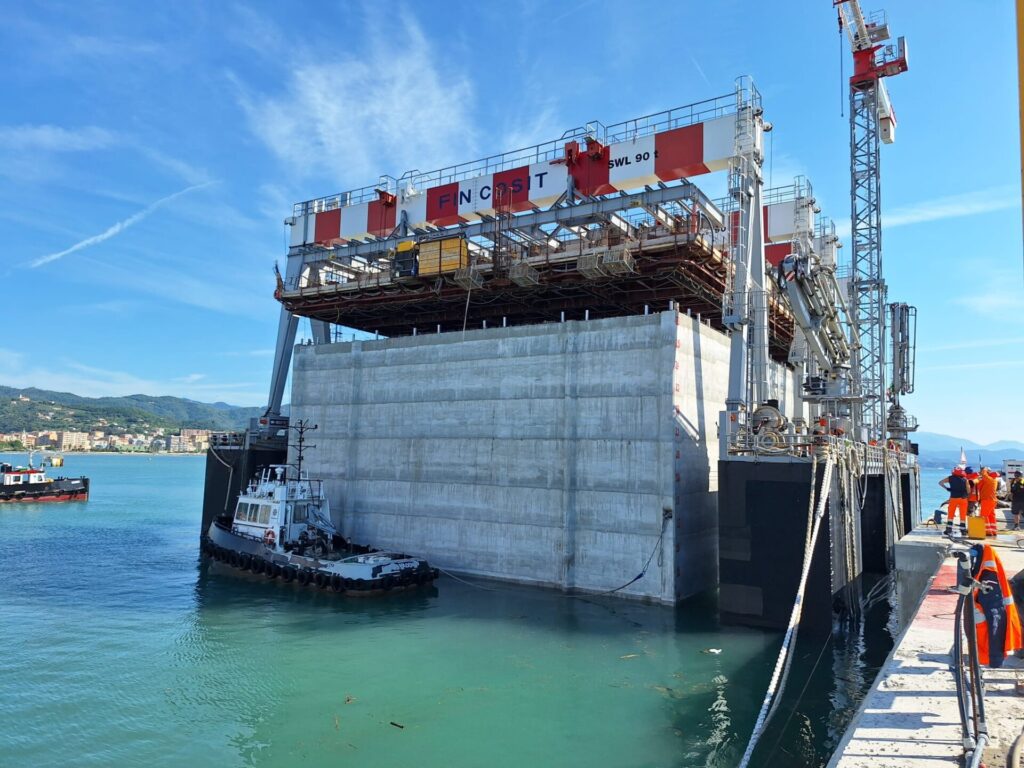
Awarded to the PerGenova Breakwater consortium (40% WeBuild, 25% Fincantieri, 25% Fincosit, 10% SIDRA), the project involves the offshore prefabrication of breakwater components, allowing normal port activities to continue during construction.

The breakwater is made up of so-called caissons: massive structures as tall as a 10-story building, built using precast concrete molds. Once completed, the caissons are transported offshore and sunk to depths of more than 50 meters. They are then filled with rubble (partly recovered from the demolition of the old breakwater) and finished directly on site with a closure “plug” on top, where a concrete wave barrier is installed.

This megaproject involves more than 250 workers: each caisson requires up to 20 days to be completed, and the entire breakwater calls for the construction of over 100 caissons.

SIMEM’s winning combination: super-mobile plants and tailor-made solutions

MMX super-mobile plants to optimize installation time and space constraints
Simem was selected as the supplier of concrete production plants by Heidelberg Materials, which is managing construction activities at the sites of Vado Ligure and Porto San Giorgio.
At Vado Ligure, three MMX super-mobile plants have already been installed, with a production capacity of up to 130 m³/h of concrete, feeding the construction of prefabricated caissons. MMX plants are characterized by high mobility, designed for rapid installation to minimize assembly and commissioning times.

Concrete production for the caissons will last about four years: once completed, the client will be able to easily relocate the MMX plants to other projects worldwide, optimizing the initial investment.
The three plants are equipped with MSO 5000 twin-shaft mixers, delivering 3.3 m³ per batch, and feature an integrated lubrication system allowing continuous, frictionless operation. Durability of components is a key strength: the mixing tank is lined with stainless steel side plates. Mixing arms are made of cast iron and bolted directly to the shaft, while the blades—also cast iron—ensure consistent wear resistance and homogeneous mixing at all times.
The mixers are equipped with a safety system compliant with the latest CE regulations: inspection doors can only be opened after motors have been shut down, ensuring maximum operational safety.
Finally, the three MMX plants include a NEXSUS MASTER aggregate group with 4 compartments and a storage capacity of 160 m³. Here too, strength and precision are the key features that Simem continues to invest in: double galvanized dosing gates, a weighing hopper protected by bolted wear plates, and stainless steel load cells.

Custom Simem solutions: blending know-how and adaptability

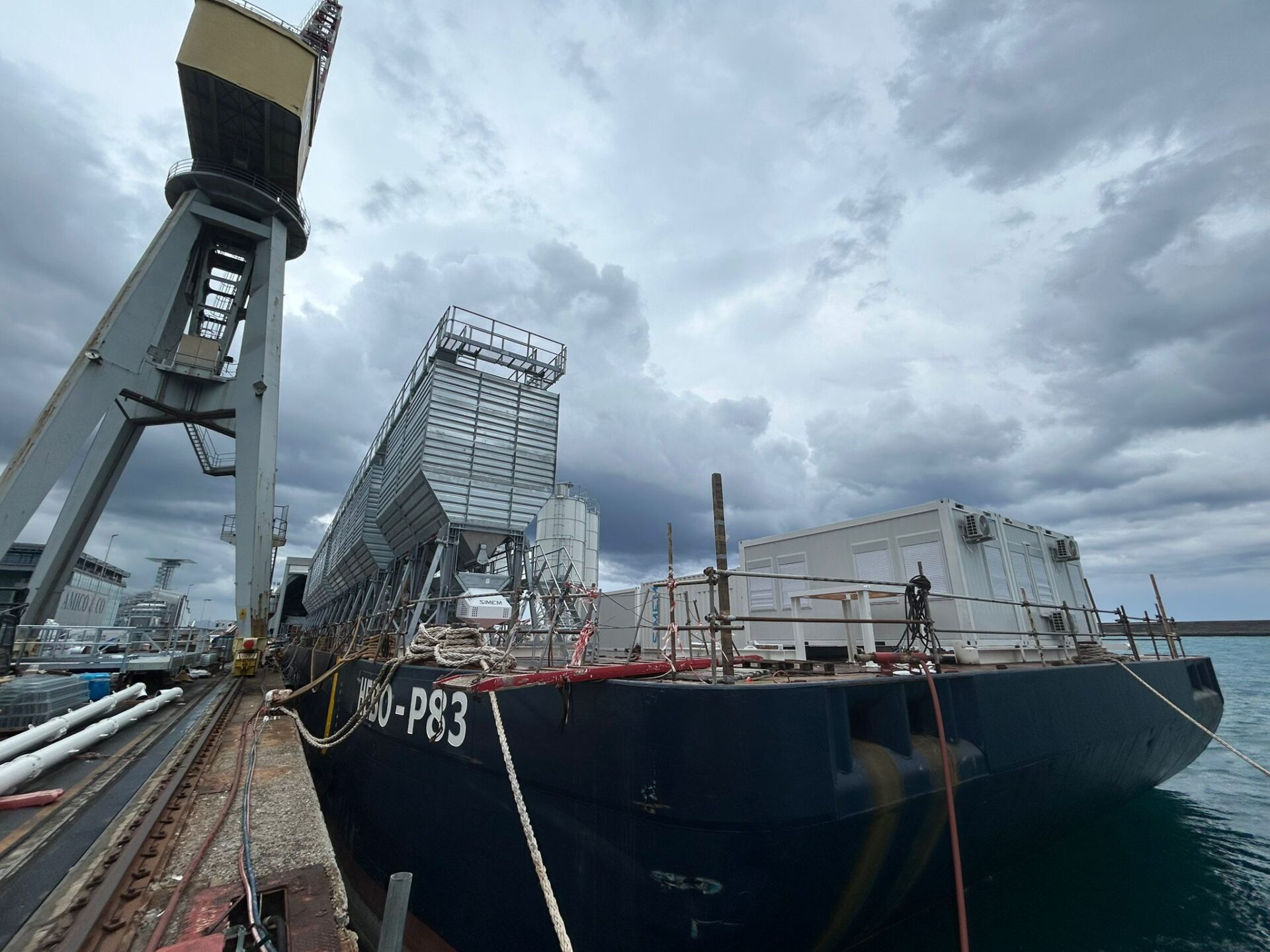
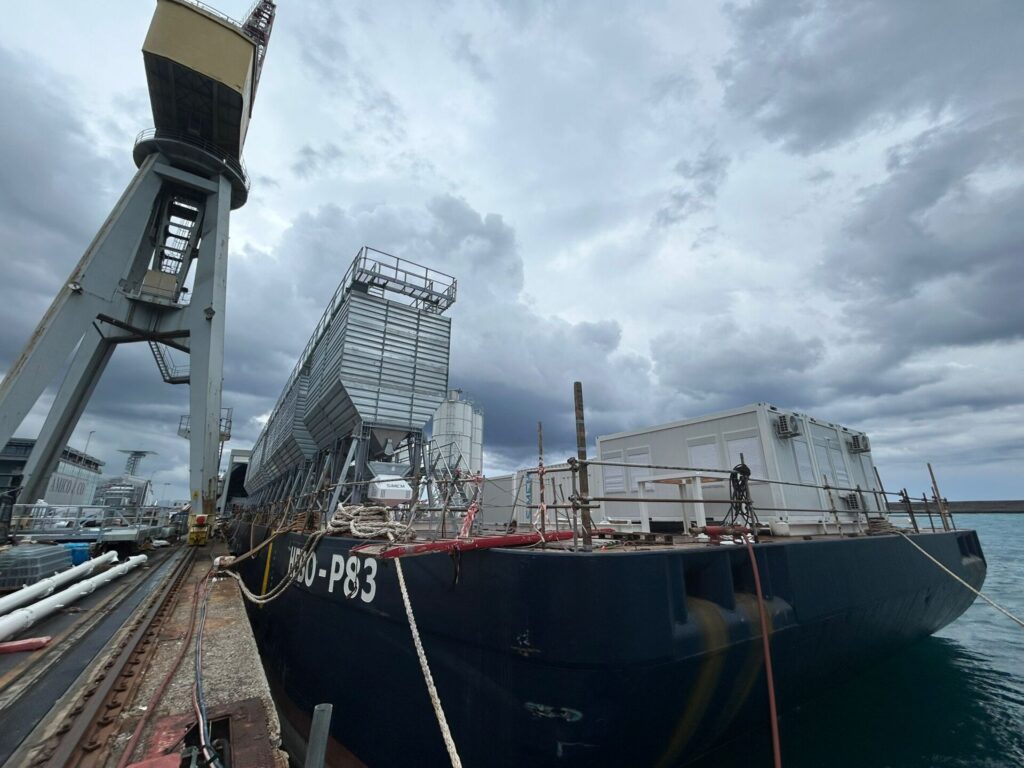
At the San Giorgio del Porto site, two tailor-made plants are being installed, complete with a system for recycling mixer wash water. A distinctive feature of these plants is their location: they are positioned directly on barges. The plants will move along with the breakwater, producing concrete on site as the caissons are being completed. In this way, both the superstructure and the wave barrier will be built directly atop the caissons.
The plants are equipped with RHYNO 4000 twin-shaft mixers, producing 100 m³/h of concrete, featuring an integrated automatic lubrication system and anti-wear linings.
These two plants are also fed by a Nexus MASTER aggregate group, the largest in the range, with an expandable bolted frame.

Durable, high-quality concrete for projects that will shape tomorrow’s world

Simem plants are designed to facilitate both installation/assembly operations and maintenance activities. In practice, this means easy access to components thanks to scaffolding and dedicated levels, an integrated automation system, and sensitive elements protected against weather, salinity, and dust.
For more than 60 years, the mission has remained the same: to provide producers and builders with durable plants capable of lasting decades, producing high-quality concrete from the first to the very last cubic meter.

Thanks to its ongoing commitment to research—both in advanced construction technologies and in dedicated applications—Simem continues to deliver excellence in this sector, helping its clients complete projects that will shape the world of tomorrow. With this project, Genoa is set to become a symbol of European maritime engineering, strengthened by Simem’s technological contribution.

SIMEM at Innovation Days 2025

Federico Furlani President of SIMEM Group, has been one of the featured speakers at the Veneto edition of the 2025 Innovation Days organized by 24 Ore Eventi and Confindustria
He shared his perspective on Artificial Intelligence applied to the industrial sector: innovative solutions, concrete advantages, and future challenges in a constantly evolving world.
 

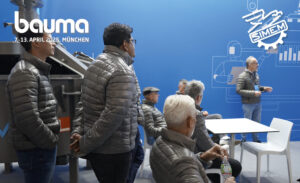
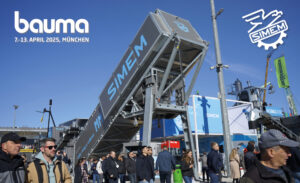
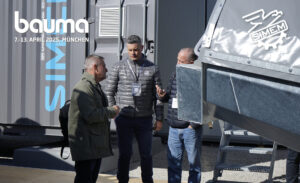
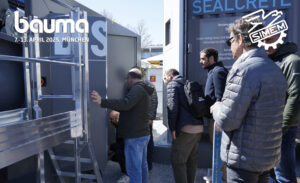
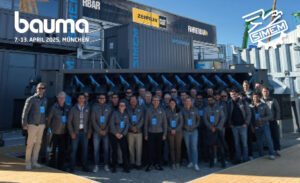
SEE YOU AT BAUMA 2028!

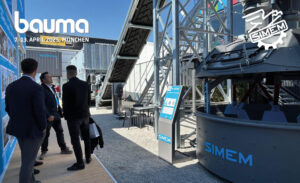
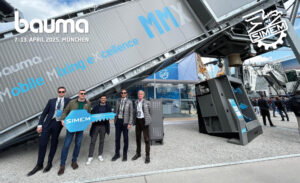
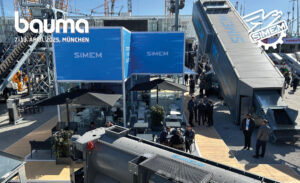
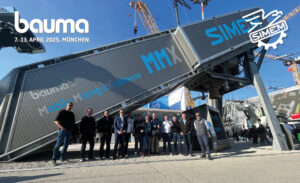
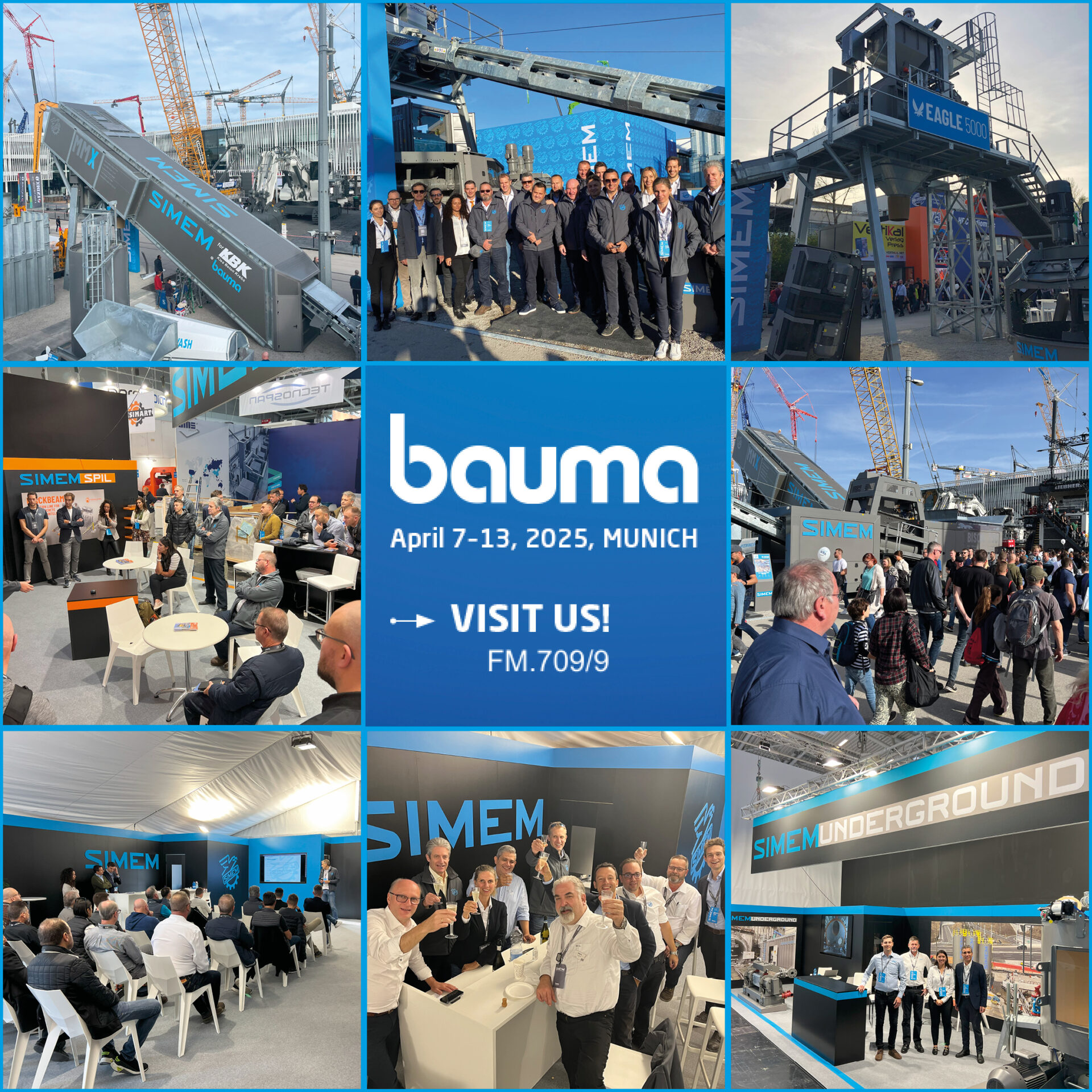
THAT’S A WRAP!
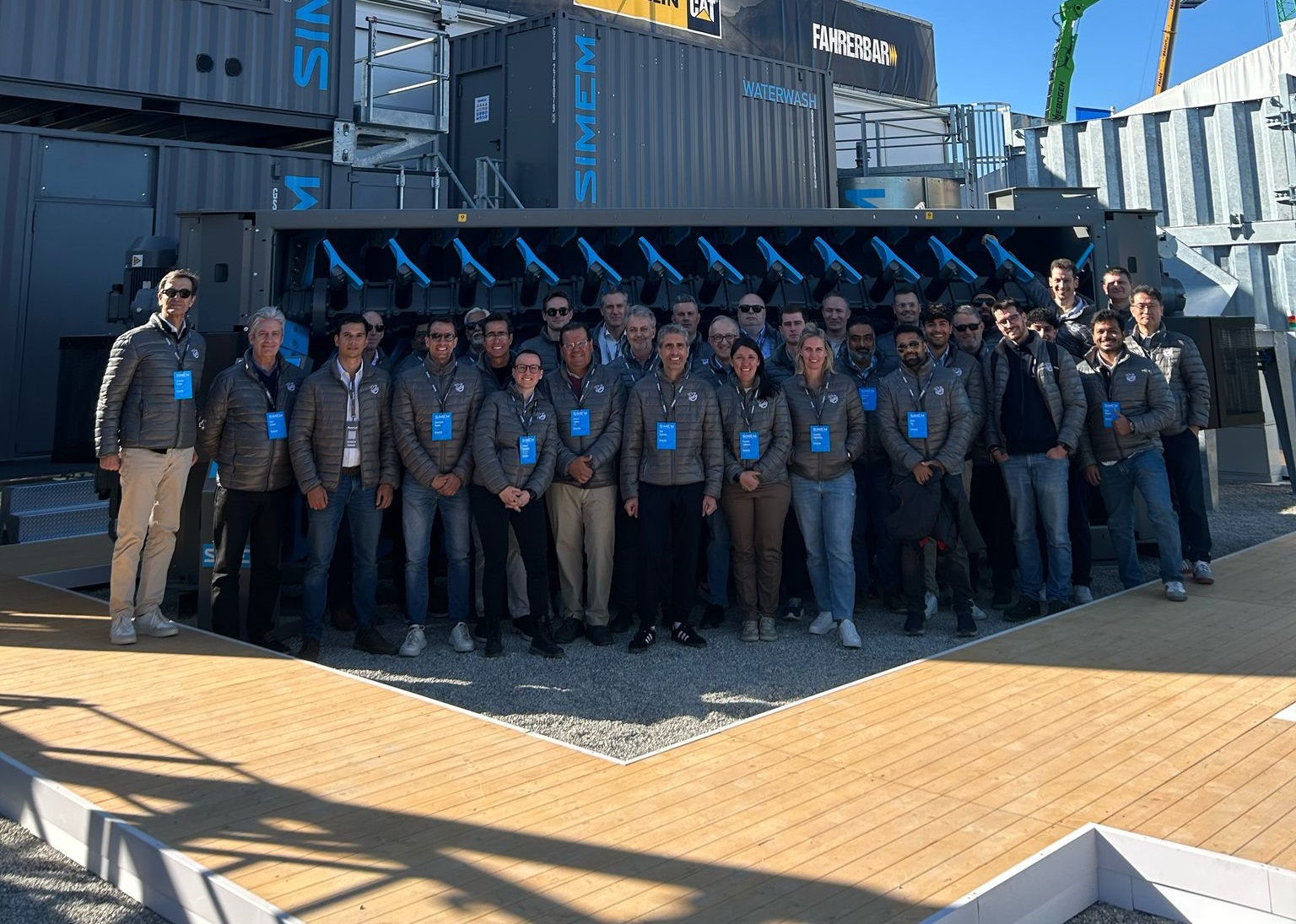
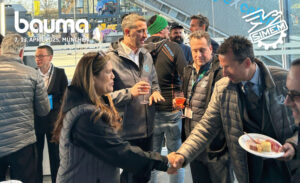
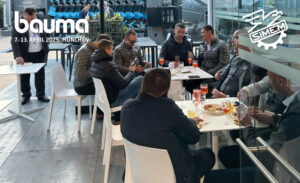
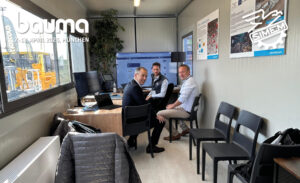
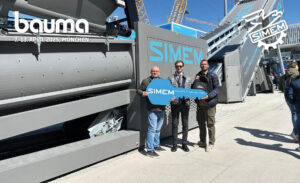
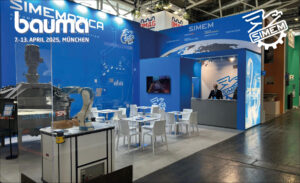
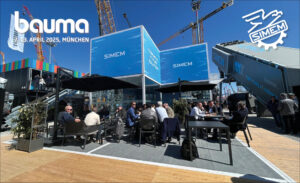
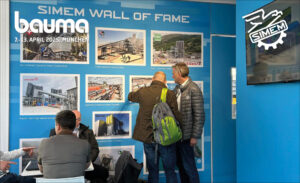
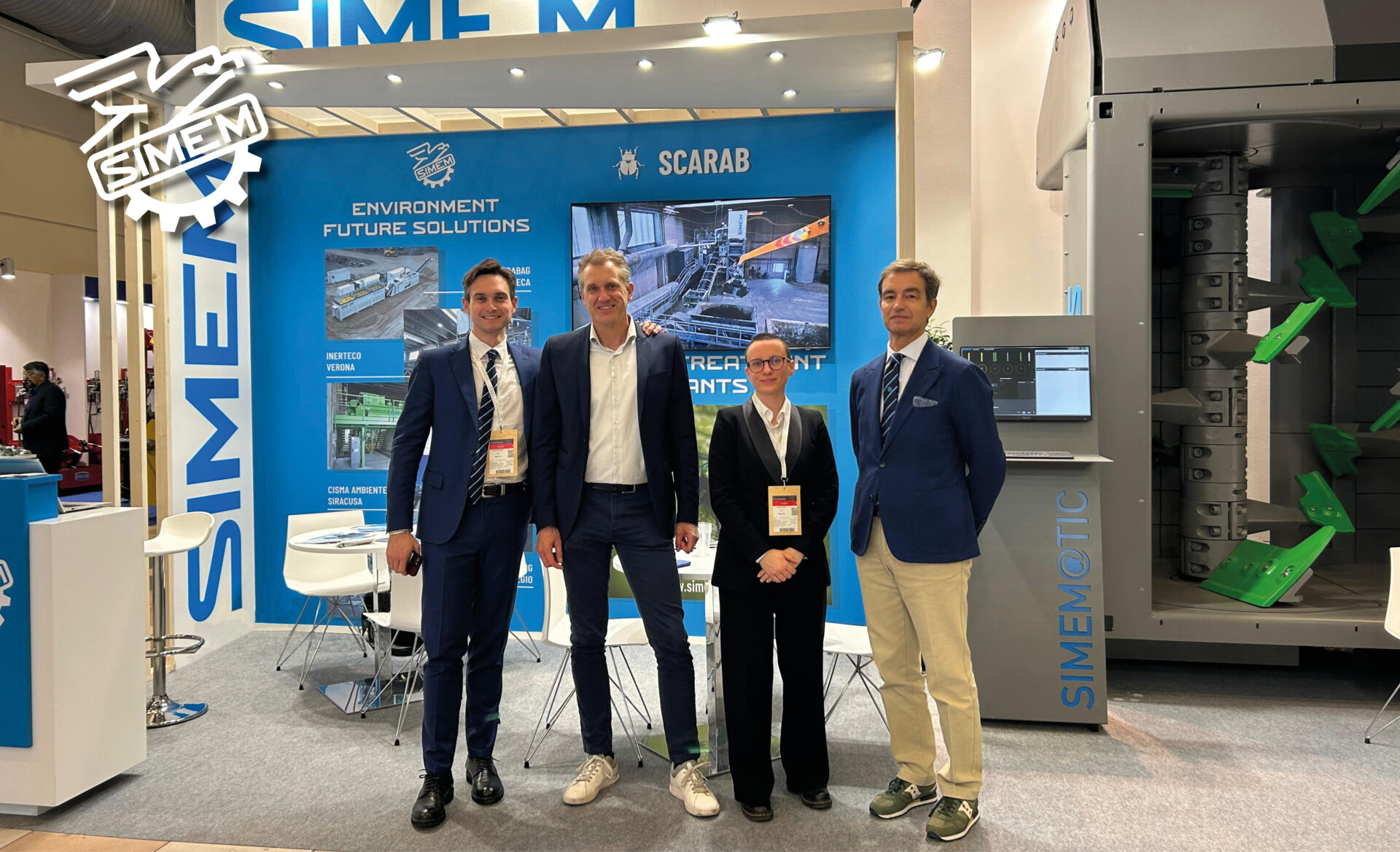
It is impossible to include all the fantastic moments of this Bauma edition in a single post! We try by sharing with you some of the most beautiful shots of the last week spent together!
SIMEM Group would like to thank all the visitors who came to the booths, all the dealers and partners who contributed to making this event special, and above all, the customers who even today, after more than 60 years, continue to trust us and continue to choose us for their incredible projects!
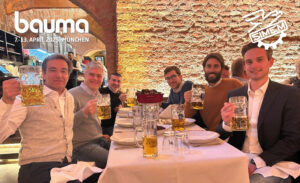
Thanks again and see you at the next Bauma 2028!
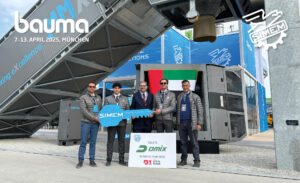
LET’S MEET UP AT BAUMA!

Also this year, Simem confirms its participation at Bauma 2025.
We can’t wait to meet old and new customers, partners and visitors at our stands to confirm old friendships, establish new ones and above all let you discover the news of the Simem world!
Come and join us at Bauma in Münich, from 7 to 13 April 2025!
External area: FM709/9
Internal area: C1/439

DISCOVER MORE HERE

EAGLE 5000 Batching Plant

A beautiful Eagle 5000 batchingplant is ready to produce 290 thousand cubic meters of concrete that will be used to build the Cumbidanovu dam in Sardinia.
The dam’s reservoir will contain about 10 million cubic meters of water which will be mainly used for distribution in agriculture and, in part, also for industrial use and for the production of electricity.
Proud to be part of this strategic project for the country!

ECOMONDO 2024: WHAT A RIDE!

Ecomondo exhibition was full of inspiration: we had the chance to meet many people and forge new connections.
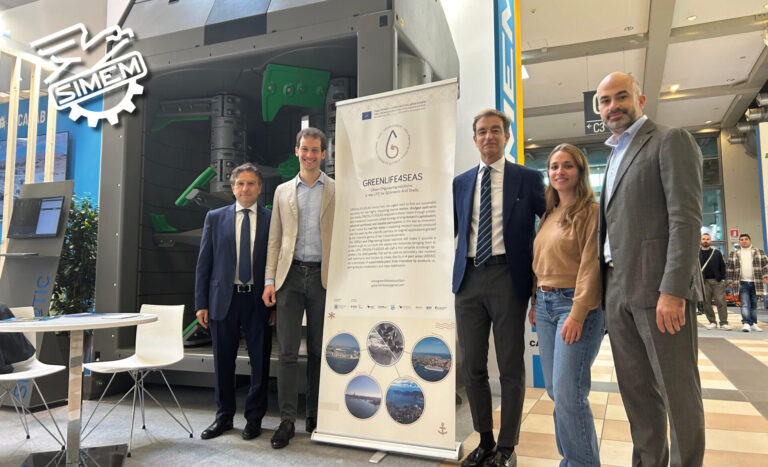
In particular, even this year, we showcased the innovative project of GreenLife4Seas at the Italian expo for circular economy; in collaboration with the Politecnico di Bari we want to promote the research and development for the reuse of waste resources and thus promote a more sustainable development also in the construction industry!

XVI NATIONAL CONGRESS ASSOBETON

Simem is main sponsor of the XVI National Congress ASSOBETON: hosted in the wonderful location of Villa Quaranta in Pescantina (Verona), the event has been an opportunity to reflect and discuss topics such as the future of precast , infrastructure and sustainability in the construction sector.

Thanks to ASSOBETON and INGENIO magazine for the hospitality!